- Why Diet Matters During Cancer Treatment
- Foods to Avoid During Cancer Treatment
- 1. Raw or Undercooked Foods
- 2. Unwashed Produce, Salads, and Street Food
- 3. Spicy, Oily, and Fried Foods
- 4. Very Sugary Foods and Sweetened Drinks
- 5. Processed and Cured Meats
- 6. Alcohol
- 7. Grapefruit and Certain Herbal Supplements
- 8. Very Hot, Acidic, or Hard Foods (If You Have Mouth Sores)
- 9. Too Much Caffeine and Energy Drinks
- A Note on Expert Care and Personalised Nutrition
- Foods to Avoid After Cancer Treatment
- Quick Guide: What to Avoid by Side Effect
- Chart: Foods to Avoid and Better Choices
- Pros and Cons of Strict Food Restrictions During Treatment
- What to Eat Instead: Safe and Nourishing Options
- Common Myths About Cancer and Food
- Practical Tips for Patients and Caregivers
- When to Talk to an Oncologist or Dietitian
- Frequently Asked Questions
- Can I eat sweets during cancer treatment?
- Is it safe to eat non-vegetarian food during chemotherapy?
- Should I avoid dairy during cancer treatment?
- What foods should be avoided during radiation therapy?
- Can I drink tea or coffee during chemotherapy?
- Are there foods to avoid after cancer treatment ends?
- Is it safe to take turmeric or herbal supplements during treatment?
- Conclusion
Can I eat normally, or will my food choices affect my treatment?”
This is one of the first questions patients and families ask after a cancer diagnosis. It is a fair question. Cancer treatment changes how your body handles food. Your immunity may drop, your taste may shift, and your stomach may react to meals that never bothered you before.
Knowing the foods to avoid during cancer treatment can lower your risk of infection, ease side effects, and help you keep your strength. It also helps to know what to avoid afterward, when your focus shifts to recovery and long-term health.
This guide explains which foods to limit or skip, why they cause problems, and what you can eat instead. Every cancer and every treatment plan is different, so use this as a general guide and always check with your own care team.
Why Diet Matters During Cancer Treatment
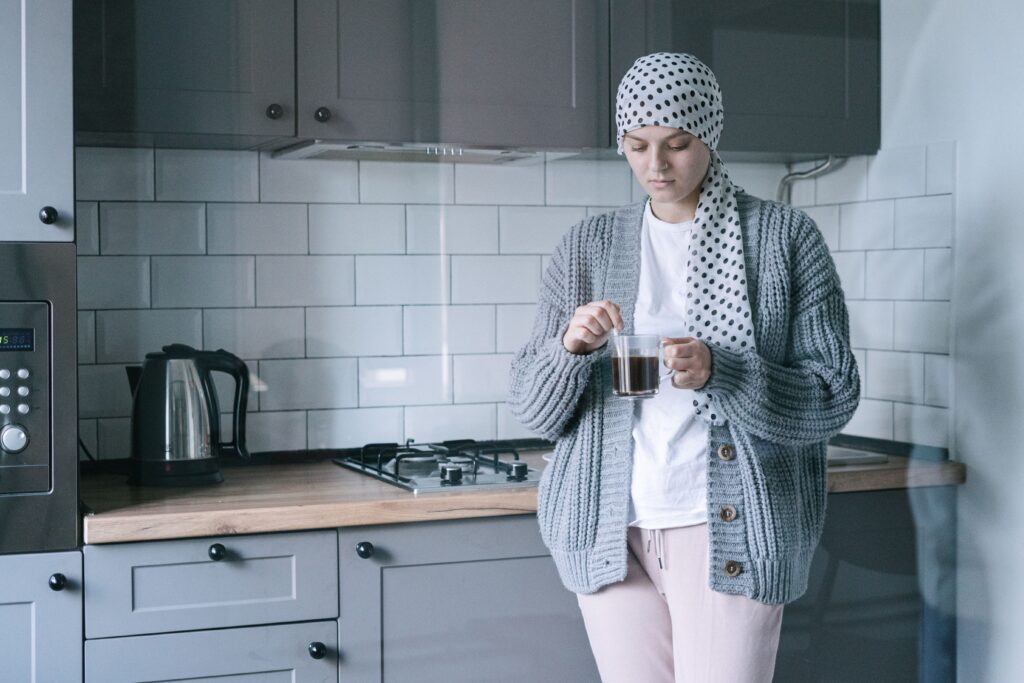
Treatments like chemotherapy, radiation, targeted therapy, and surgery are powerful. They work hard against cancer cells, but they also affect healthy tissue. That is why side effects such as nausea, mouth sores, diarrhoea, constipation, and fatigue are so common.
Food plays a direct role in how you cope with these effects. A good diet helps you:
- Maintain body weight and muscle
- Keep energy levels steady
- Heal faster after surgery
- Handle treatment with fewer breaks or delays
There is another important reason. Many cancer treatments lower the number of white blood cells, which are your body’s defence against infection. When counts are low, a food-borne illness that would be mild for a healthy person can turn serious. This is why food safety becomes so important during treatment.
Oncology dietitians often say the same thing: the goal is not a “perfect” diet. The goal is to eat enough, eat safely, and avoid foods that make symptoms worse. Many patients struggle to eat at all during treatment, so being too strict can backfire. We will come back to this point later.
Foods to Avoid During Cancer Treatment
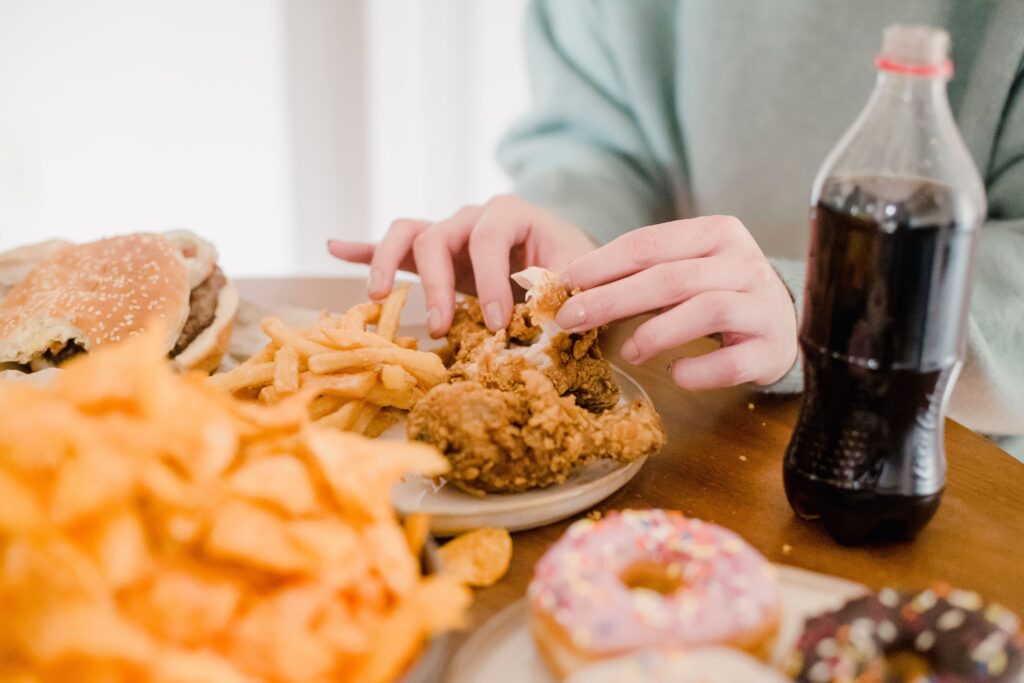
Here are the main foods and drinks that doctors and dietitians commonly advise patients to limit or avoid while treatment is active.
1. Raw or Undercooked Foods
Raw and undercooked foods are among the biggest concerns, especially when your blood counts are low. This group includes:
- Raw or partly cooked meat, chicken, and eggs
- Raw fish and sushi
- Runny eggs, homemade mayonnaise, and some desserts made with raw eggs
- Unpasteurised milk, curd, or cheese
These foods can carry bacteria such as Salmonella, Listeria, and E. coli. A weakened immune system may struggle to fight them off.
Better choice: Cook meat, fish, and eggs thoroughly. Choose pasteurised dairy. Eat freshly cooked meals while they are hot.
2. Unwashed Produce, Salads, and Street Food
Fresh fruits and vegetables are healthy, but they must be handled safely during treatment. Unwashed produce, pre-cut salads, and roadside food can carry germs from soil, water, or hands.
In India, chaat, pani puri, fresh juices from street stalls, and cut fruit sold in the open are common risks. Even if you enjoyed them often before, it is wise to skip them while your immunity is low.
Better choice: Wash all produce well under clean running water. Peel fruits where possible. Prefer home-cooked meals made with clean, boiled, or filtered water.
3. Spicy, Oily, and Fried Foods
Rich and spicy dishes can irritate a sensitive digestive system. During chemotherapy or abdominal radiation, they may worsen nausea, acidity, bloating, and diarrhoea.
Heavy curries, deep-fried snacks like samosas and pakoras, and very greasy gravies often cause trouble. If you have mouth sores, spicy food can be painful.
Better choice: Try mildly spiced meals such as khichdi, dal, steamed vegetables, idli, or simple rice dishes. Use boiling, steaming, or light sautéing instead of deep frying.
4. Very Sugary Foods and Sweetened Drinks
Sweets, packaged desserts, soft drinks, and sugary juices give you calories but very little nutrition. They can also cause blood sugar spikes and may worsen diarrhoea in some people.
A common myth says sugar “feeds” cancer and should be cut out completely. In reality, all cells in the body use glucose for energy. Cutting out sugar will not starve a tumour. However, eating a lot of added sugar can lead to weight gain and poor nutrition, which does not help your recovery.
Better choice: Have fruit, a small portion of homemade sweet, or milk-based drinks. Keep treats as treats, not as meal replacements.
5. Processed and Cured Meats
Sausages, salami, bacon, ham, and packaged cold cuts are high in salt and preservatives. The World Health Organization’s cancer research agency has classified processed meat as a cause of cancer in humans. While the main concern is long-term risk, they also offer little nutritional value when your body needs quality protein.
Better choice: Choose freshly cooked chicken, fish, eggs, lentils, paneer, or tofu.
6. Alcohol
Alcohol can irritate the mouth and stomach, cause dehydration, and put extra strain on the liver, which is already working to process treatment drugs. It can also interact with certain medicines and worsen side effects like nausea and fatigue.
Alcohol is also a known risk factor for several cancers. Most oncology teams advise avoiding it during treatment unless your doctor says otherwise.
Better choice: Water, coconut water, buttermilk made from pasteurised curd, or light herbal teas approved by your doctor.
7. Grapefruit and Certain Herbal Supplements
Some foods and supplements can change how your body processes cancer drugs. Grapefruit and grapefruit juice are a well-known example, because they can affect certain medicines and raise or lower their levels in the blood.
Herbal remedies, “immunity boosters,” and high-dose antioxidant supplements are also a concern. Some, like St John’s wort, are known to interact with cancer drugs. Others have not been tested well enough to know if they are safe alongside treatment.
Better choice: Always tell your oncologist about every supplement, powder, or herbal product you take, including Ayurvedic and home remedies. Do not start anything new without asking first.
8. Very Hot, Acidic, or Hard Foods (If You Have Mouth Sores)
Chemotherapy and radiation to the head and neck can cause painful mouth sores and a sore throat. In that case, certain foods can feel like sandpaper. Avoid:
- Very hot tea or soup
- Citrus fruits and juices, tomato-based dishes, and pickles
- Dry, crunchy, or hard foods such as chips, toast, and nuts
- Salty or spicy snacks
Better choice: Soft, cool, or lukewarm foods such as banana, curd, porridge, mashed potato, smoothies, and soups.
9. Too Much Caffeine and Energy Drinks
A little tea or coffee is fine for many patients, but too much caffeine can cause dehydration, acidity, and poor sleep. Energy drinks also contain large amounts of sugar and additives.
Better choice: Limit caffeine to what your doctor allows and choose water or herbal drinks for the rest of the day.
A Note on Expert Care and Personalised Nutrition
Food advice during cancer care works best when it is personal. A patient on chemotherapy for breast cancer has different needs from someone recovering from stomach surgery or receiving radiation to the throat. That is why a multidisciplinary approach matters, with oncologists, dietitians, nurses, and supportive care teams working together. Centres such as Subha Comprehensive Cancer Care in Hyderabad follow this team-based model, so patients can get treatment and nutrition guidance that fits their diagnosis, side effects, and daily life.
Foods to Avoid After Cancer Treatment
When active treatment ends, the focus changes. Your immune system slowly recovers, and your goals become rebuilding strength, maintaining a healthy weight, and lowering the risk of cancer coming back or new health problems developing.
Major health organisations, including the American Cancer Society and the World Cancer Research Fund, suggest that survivors follow a diet rich in plants and low in processed items. Here are the foods to limit in the recovery stage.
Ultra-Processed Packaged Foods
Instant noodles, chips, biscuits, packaged namkeen, ready-to-eat meals, and similar items are high in salt, refined flour, unhealthy fats, and additives. Eating them often can lead to weight gain and poor nutrition.
Large Amounts of Red Meat and Charred Meat
Red meat such as mutton, beef, and pork is probably linked to a higher risk of some cancers when eaten in large amounts. Meat cooked at very high heat until charred, such as heavily grilled or barbecued items, can form harmful compounds. If you eat red meat, keep portions modest and use gentler cooking methods.
Refined Carbohydrates and Added Sugar
White bread, maida-based snacks, sweets, and sugary drinks cause quick blood sugar rises and add calories without much nutrition. Extra body fat after treatment is linked with a higher risk of some cancers returning, so weight management matters.
Trans Fats and Reused Cooking Oil
Foods made with vanaspati or partially hydrogenated oils, and food fried in oil that has been heated again and again, can harm heart health and increase inflammation. Choose fresh oil in small amounts and avoid deep-fried street food.
Excess Salt and Pickled Foods
Very salty and heavily pickled foods are linked with a higher risk of stomach cancer in some studies. They also raise blood pressure. Season food with herbs, lemon, and mild spices instead.
Alcohol and Tobacco
Alcohol and tobacco in any form, including chewing tobacco, gutka, and smoking, raise the risk of new and returning cancers. Quitting is one of the strongest steps a survivor can take.
Fad Diets, “Detox” Cleanses, and Extreme Fasting
Survivors often feel pressure to try extreme diets that promise to “flush out” cancer. These plans have no strong evidence behind them. Some can lead to malnutrition, muscle loss, and dangerous low weight. Be cautious of any plan that cuts out entire food groups or claims to cure cancer.
Quick Guide: What to Avoid by Side Effect
Different symptoms call for different adjustments. Use this as a simple reference.
- Nausea and vomiting: Avoid greasy, fried, very sweet, or strongly scented foods. Skip large meals and eat small portions often.
- Diarrhoea: Limit spicy food, fried items, very sugary drinks, raw vegetables, and too much caffeine. Some patients also need to cut back on milk for a while.
- Constipation: Reduce refined flour, cheese, and processed snacks. Increase fluids and gentle fibre as advised by your care team.
- Mouth sores and swallowing trouble: Avoid acidic, hot, spicy, salty, and crunchy foods.
- Taste changes: If food tastes metallic, try plastic cutlery, cold or room-temperature foods, and lighter flavours. Avoid foods that taste unpleasant to you right now.
- Low blood counts: Be extra strict about raw foods, street food, unwashed produce, and anything that has been stored for long.
Chart: Foods to Avoid and Better Choices
| Food Group | Avoid | Why | Better Choice |
|---|---|---|---|
| Protein | Raw or undercooked meat, fish, eggs, processed meats | Infection risk, high salt and preservatives | Well-cooked chicken, fish, eggs, dal, paneer, tofu |
| Dairy | Unpasteurised milk, curd, or cheese | Bacteria that can cause infection | Pasteurised milk, curd, and paneer |
| Fruits and Vegetables | Unwashed produce, street-cut fruit, raw salads (when counts are low) | Germs from soil, water, and handling | Washed, peeled, or cooked produce |
| Fats and Oils | Deep-fried items, reused oil, vanaspati | Upset stomach, heart risk, inflammation | Lightly cooked food with fresh oil in small amounts |
| Drinks | Alcohol, energy drinks, sugary sodas, unfiltered water | Dehydration, drug interactions, infection | Filtered water, coconut water, herbal tea if approved |
| Snacks | Chips, instant noodles, packaged namkeen | High salt, refined flour, low nutrition | Roasted chana, fruit, soft porridge, homemade snacks |
| Sweets | Packaged sweets, sugary desserts in large amounts | Empty calories, blood sugar spikes | Fruit, small portions of homemade sweets |
| Supplements | High-dose antioxidants, unverified herbal products | May interfere with treatment | Only those approved by your oncologist |
Pros and Cons of Strict Food Restrictions During Treatment
Food rules can help, but they can also add stress. Here is a fair look at both sides.
Pros
- Lower risk of food poisoning and infection when immunity is weak
- Fewer side effects such as nausea, acidity, and diarrhoea
- Better tolerance of treatment, with fewer interruptions
- Improved long-term health after treatment ends
- A greater sense of control during a difficult time
Cons
- Risk of eating too little and losing weight or muscle
- Stress, guilt, and food anxiety, especially for caregivers
- Nutritional gaps if too many foods are cut out
- Social strain at family meals, festivals, and gatherings
- Confusion from conflicting advice online
The key takeaway: Avoid what is unsafe or irritating, but do not remove so many foods that you cannot eat enough. If you are losing weight or struggling to eat, tell your care team early. Eating enough often matters more than eating “perfectly.”
What to Eat Instead: Safe and Nourishing Options
Knowing what to avoid is only half the picture. Here are foods that are generally easier on the body during treatment and recovery. Always adjust based on your own doctor’s advice.
- Well-cooked protein: Dal, moong, eggs, paneer, chicken, fish, and tofu help repair tissue and maintain muscle.
- Whole grains: Rice, roti, oats, daliya, and khichdi give steady energy and are gentle on the stomach.
- Cooked vegetables: Lightly cooked or steamed vegetables are easier to digest and safer than raw ones.
- Fruits: Banana, papaya, apple (cooked or peeled), and pomegranate are popular choices. Wash and peel them well.
- Healthy fats: Small amounts of ghee, nuts, seeds, and olive or mustard oil, as tolerated.
- Fluids: Water, coconut water, clear soups, dal water, and pasteurised buttermilk help prevent dehydration.
- Small, frequent meals: Five or six small meals are often easier than three large ones, especially with low appetite.
If you are underweight or struggling to eat, your dietitian may suggest high-calorie, high-protein options such as milkshakes, nut butters, or special nutrition supplements.
Common Myths About Cancer and Food
Misinformation spreads quickly on social media and in family WhatsApp groups. Here are a few myths worth clearing up.
Myth 1: Sugar feeds cancer, so cut out all carbohydrates.
All cells use glucose. Cutting carbs will not starve a tumour, and it may leave you without enough energy. Limiting added sugar is reasonable, but extreme restriction is not helpful.
Myth 2: An alkaline diet can cure cancer.
The body tightly controls its own pH. Food does not change your blood pH in a way that treats cancer.
Myth 3: Turmeric or herbs can replace treatment.
Turmeric is a healthy kitchen spice, but there is no proof that it can cure cancer. High-dose supplements can also interact with medicines. Never replace or delay proven treatment with home remedies.
Myth 4: Fasting makes chemotherapy work better.
Research on fasting during treatment is still early. Fasting without medical supervision can lead to weight loss and weakness. Do not try it without your oncologist’s approval.
Practical Tips for Patients and Caregivers
Small habits can make daily eating easier and safer.
- Practise good kitchen hygiene. Wash hands, boards, and knives often. Keep raw and cooked foods apart.
- Eat fresh. Finish cooked food within a day and avoid leftovers kept out for hours.
- Keep a food and symptom diary. Write down what you eat and how you feel. This helps your team spot patterns.
- Plan ahead. Prepare simple meals on good days and freeze small portions for harder ones.
- Make eating pleasant. Use small plates, favourite flavours, and relaxed company.
- Know the warning signs. Contact your care team if you have repeated vomiting, severe diarrhoea, fever, rapid weight loss, or cannot eat or drink for a day or more.
Caregivers carry a big load, too. Share meal duties among family members so no one person feels overwhelmed.
When to Talk to an Oncologist or Dietitian
General lists are useful, but they cannot replace personal advice. Speak with your oncologist or a registered oncology dietitian if:
- You are losing weight without trying
- You have trouble chewing, swallowing, or tasting
- You have other conditions such as diabetes, kidney disease, or high blood pressure
- You want to start any supplement, herbal remedy, or special diet
- You are unsure whether a particular food is safe for your treatment
Useful questions to ask at your next visit:
- Which foods should I avoid with my specific treatment?
- Do I need to follow strict food safety rules right now?
- Are any of my medicines affected by food or supplements?
- How much protein and how many calories should I aim for each day?
Frequently Asked Questions
Can I eat sweets during cancer treatment?
In small amounts, usually yes. Sweets do not make cancer grow faster, but too much sugar offers little nutrition and may upset your stomach. Choose fruit or a small portion of a homemade sweet, and ask your dietitian if you have diabetes or blood sugar concerns.
Is it safe to eat non-vegetarian food during chemotherapy?
Yes, for most patients, as long as the meat, fish, or eggs are fresh and cooked all the way through. Avoid raw or undercooked items and processed meats. If your blood counts are very low, your team may give stricter instructions.
Should I avoid dairy during cancer treatment?
Not always. Pasteurised milk, curd, and paneer are good sources of protein and calcium. Avoid unpasteurised dairy. Some people develop temporary lactose intolerance after chemotherapy or abdominal radiation, and may need to limit milk for a while.
What foods should be avoided during radiation therapy?
It depends on the area being treated. For head and neck radiation, avoid hot, spicy, acidic, and hard foods. For abdominal or pelvic radiation, limit greasy, spicy, and high-fibre raw foods if they cause diarrhoea or cramps. Your radiation team can give site-specific advice.
Can I drink tea or coffee during chemotherapy?
Most patients can have moderate amounts. Too much caffeine may worsen dehydration, acidity, and sleep problems. If tea or coffee tastes bad during treatment, it is fine to swap them for other fluids.
Are there foods to avoid after cancer treatment ends?
Yes. Survivors are generally advised to limit processed meats, red meat, ultra-processed snacks, added sugar, trans fats, excess salt, and alcohol. Staying active and keeping a healthy weight also supports long-term health.
Is it safe to take turmeric or herbal supplements during treatment?
Cooking with turmeric is fine. High-dose supplements and herbal products are different, because some can interfere with cancer medicines. Always check with your oncologist before taking any supplement.
Conclusion
Knowing the foods to avoid during cancer treatment can protect you from infection, ease side effects, and help you stay strong. In the early weeks, the focus is on food safety and comfort. After treatment, the focus moves to building a balanced, plant-rich diet and limiting foods linked to long-term risk.
Remember that no single food will cure cancer, and no single meal will ruin your recovery. What matters most is steady, safe, and sufficient eating, guided by people who know your medical history. If food choices feel confusing, ask your care team for a personalised plan. It is one of the simplest ways to take an active role in your own healing.
Medical disclaimer: This article is for general education and does not replace advice from your oncologist, dietitian, or other healthcare provider. Always follow the guidance of your own treating team.