
- Why India Has Become a Leading Destination for Cancer Treatment
- Understanding How Cancer Treatment Decisions Are Made
- Major Cancer Treatment Options Available in India
- Comparing Treatment Options at a Glance
- The Role of Multidisciplinary Tumor Boards
- Cost of Cancer Treatment in India
- What to Expect: A Realistic Treatment Timeline
- Emotional and Practical Support Matters Too
- Questions to Ask Your Oncologist
- How to Choose the Right Hospital or Clinic
- Final Thoughts
- Frequently Asked Questions
A cancer diagnosis changes everything overnight. One moment you are living your normal life, and the next you are trying to understand terms like chemotherapy, radiation, staging, and tumor boards, all while managing fear and uncertainty. If you or someone you love has recently been diagnosed, you are probably searching for clear answers rather than more confusion.
This guide walks you through the major cancer treatment options available in India today, what each option actually involves, the pros and cons of different approaches, and how to make informed decisions during one of the hardest periods a family can face. India has become one of the most trusted destinations for cancer care, combining experienced oncologists, modern technology, and treatment costs that are far more manageable than in many Western countries.
By the end of this article, you will have a practical understanding of your options, questions worth asking your doctor, and what a realistic treatment journey looks like from diagnosis to recovery.
Why India Has Become a Leading Destination for Cancer Treatment
Cancer treatment is no longer something patients need to travel abroad for. Over the last two decades, India has built specialized cancer hospitals, trained oncologists internationally, and adopted the same treatment protocols used in the United States and Europe.
A few reasons India stands out:
- Highly trained oncologists, many of whom studied or trained in the US, UK, or other leading cancer centers
- Advanced radiation and diagnostic technology, including PET-CT, IMRT, and image-guided radiotherapy
- Treatment costs that are typically a fraction of what the same care would cost in the US or UK
- A growing number of dedicated, comprehensive cancer care clinics rather than general hospitals treating cancer as an afterthought
- Multidisciplinary tumor boards, where surgeons, medical oncologists, radiation oncologists, and pathologists jointly review each case before deciding on treatment
This combination of expertise and affordability is why patients from across India, and increasingly from other countries, are choosing to be treated here rather than traveling overseas.
Understanding How Cancer Treatment Decisions Are Made
Before getting into specific treatment types, it helps to understand how oncologists actually decide on a treatment plan. No two cancer cases are identical, even when the diagnosis sounds the same.
Doctors typically consider:
- Type and location of the cancer
- Stage, meaning how far it has spread
- The patient’s overall health and age
- Genetic and molecular markers of the tumor
- Patient preferences and quality of life goals
This is why a proper diagnostic workup, including biopsy, imaging, and sometimes genomic testing, is essential before starting treatment. Rushing into treatment without this information can lead to less effective outcomes.
Major Cancer Treatment Options Available in India
1. Surgery

Surgery remains one of the most direct ways to remove a tumor, particularly for solid cancers caught before they spread widely. Depending on the cancer type, surgery may involve removing the tumor along with a margin of healthy tissue, or in some cases, removing an entire organ or lymph nodes.
Pros:
- Can completely remove localized tumors
- Often combined with other treatments for better long-term outcomes
- Minimally invasive and robotic-assisted options are now widely available in India, reducing recovery time
Cons:
- Not suitable for cancers that have spread extensively
- Recovery time varies and can affect daily life temporarily
- Some surgeries carry risks related to anesthesia or nearby organ function
2. Chemotherapy

Chemotherapy uses drugs to destroy fast-growing cancer cells throughout the body. It is often used before surgery to shrink tumors, after surgery to eliminate remaining cells, or as a primary treatment for cancers that have spread.
Pros:
- Effective against cancers that have spread beyond a single location
- Can be combined with surgery or radiation for stronger results
- Newer chemotherapy protocols have improved side effect management significantly
Cons:
- Side effects such as fatigue, nausea, and lowered immunity are common
- Affects healthy cells along with cancer cells
- Treatment cycles can take weeks to months
3. Radiation Therapy
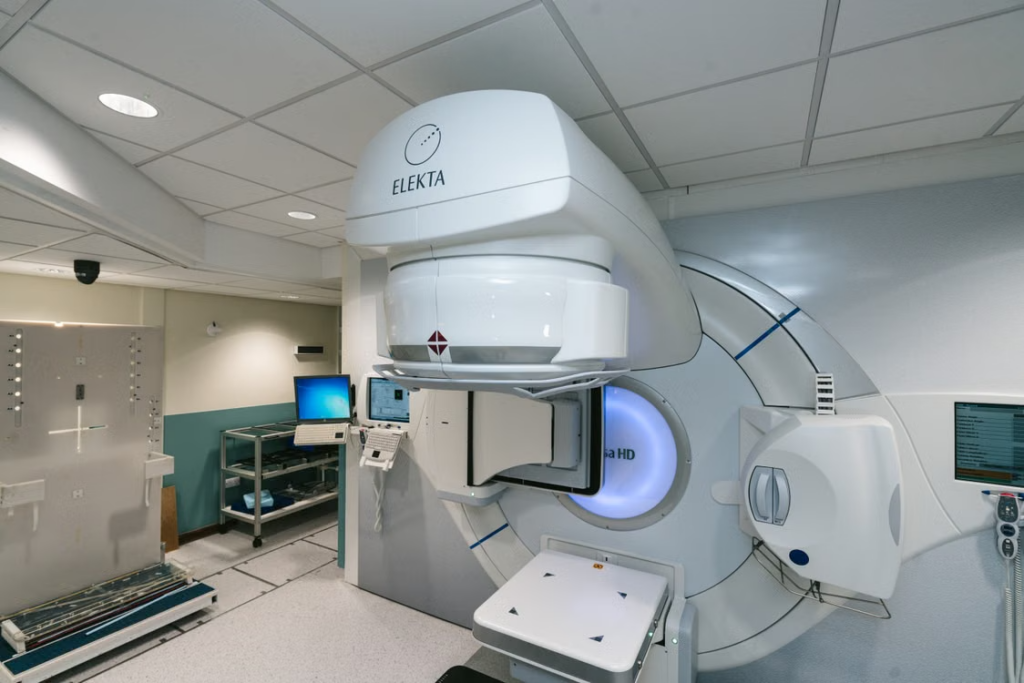
Radiation therapy uses high energy beams to target and destroy cancer cells while trying to spare healthy tissue. Modern techniques such as IMRT, image-guided radiotherapy, and stereotactic radiosurgery have made this far more precise than older methods.
Pros:
- Highly targeted, reducing damage to surrounding tissue
- Can be curative for certain early-stage cancers
- Often used to control tumors that cannot be surgically removed
Cons:
- Requires multiple sessions over several weeks
- Can cause localized skin irritation or fatigue
- Access to advanced radiation equipment can vary by hospital
4. Immunotherapy

Immunotherapy works differently from traditional treatments. Instead of directly attacking cancer cells, it helps the patient’s own immune system recognize and fight the cancer. This has become one of the most significant advances in oncology in the past decade.
Pros:
- Can produce long-lasting responses in certain cancers
- Generally has a different, sometimes more manageable, side effect profile than chemotherapy
- Continues to expand in eligibility as research advances
Cons:
- Not effective for all cancer types or all patients
- Can be expensive compared to conventional treatments
- Requires careful monitoring for immune-related side effects
5. Targeted Therapy

Targeted therapy uses drugs designed to attack specific genetic mutations or proteins that allow cancer cells to grow. This approach requires molecular testing of the tumor to identify whether a patient is a suitable candidate.
Pros:
- More precise than traditional chemotherapy
- Often has fewer side effects since it targets specific cancer pathways
- Increasingly available for cancers such as lung, breast, and certain blood cancers
Cons:
- Only effective if the tumor has the specific genetic marker being targeted
- Genomic testing adds to overall treatment cost
- Cancer cells can sometimes develop resistance over time
6. Bone Marrow and Stem Cell Transplant
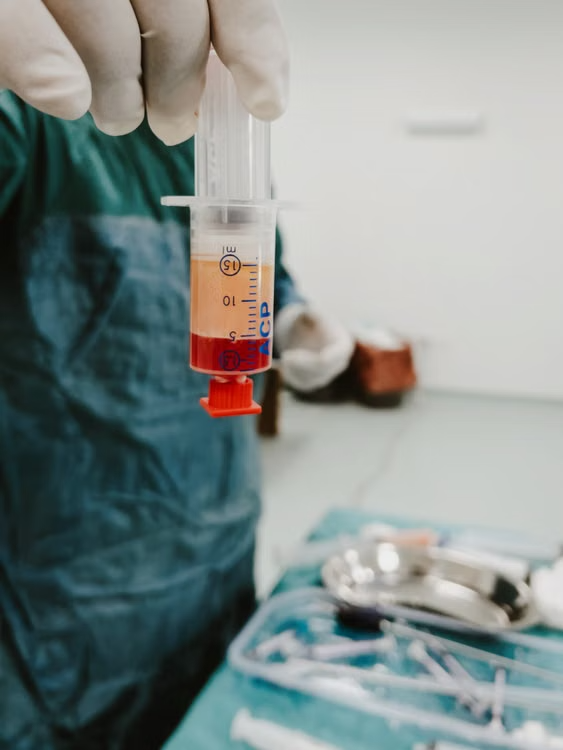
For certain blood cancers such as leukemia, lymphoma, and multiple myeloma, a bone marrow or stem cell transplant may be recommended. This replaces damaged bone marrow with healthy stem cells, either from the patient or a matched donor.
Pros:
- Can offer a potential cure for certain blood cancers
- India has experienced transplant centers with strong success rates
- Autologous transplants (using the patient’s own cells) reduce rejection risk
Cons:
- Physically demanding procedure with a lengthy recovery period
- Requires a suitable donor match in allogeneic transplants
- Higher cost compared to other treatment types
Comparing Treatment Options at a Glance
| Treatment Type | Best For | Typical Duration | Relative Cost in India |
|---|---|---|---|
| Surgery | Localized, solid tumors | Days to weeks recovery | Moderate |
| Chemotherapy | Cancers that have spread | Weeks to months | Moderate |
| Radiation Therapy | Localized tumors, post-surgery control | 2 to 8 weeks | Moderate |
| Immunotherapy | Specific cancers with immune markers | Ongoing cycles | Higher |
| Targeted Therapy | Genetically defined cancers | Ongoing, often long-term | Higher |
| Stem Cell Transplant | Blood cancers | Weeks in hospital, months recovery | Highest |
This table is meant as a general reference. Your oncologist will recommend the right combination based on your specific diagnosis, and many patients receive more than one type of treatment as part of a coordinated plan.
The Role of Multidisciplinary Tumor Boards
One of the most important developments in cancer care, both in India and globally, is the multidisciplinary tumor board approach. Instead of a single doctor deciding on treatment, a team of specialists, including surgical oncologists, medical oncologists, radiation oncologists, radiologists, and pathologists, reviews each case together.
This matters because cancer treatment is rarely a single decision. A tumor board can catch details a single specialist might miss and ensures that the treatment plan reflects the full picture of the disease, not just one angle of it.
Clinics that build their care model around this collaborative approach tend to produce more consistent outcomes, because decisions are cross-checked rather than made in isolation. Subha Comprehensive Cancer Care is one example of a dedicated cancer care provider in India built around this model, bringing together experienced oncologists, including US trained doctors, to review cases jointly and design personalized treatment plans rather than a one-size-fits-all protocol.
Cost of Cancer Treatment in India
Cost is often the deciding factor in where and how a patient is treated. India’s cancer treatment costs are widely recognized as significantly lower than in the US, UK, or Western Europe, without a drop in quality of care.
Rough cost comparisons for common treatments show:
- Surgery for solid tumors can cost a fraction of equivalent procedures in Western countries
- A full chemotherapy cycle is generally far more affordable in India
- Radiation therapy courses cost significantly less due to lower facility and staffing overheads
- Advanced treatments like immunotherapy and targeted therapy, while still expensive, remain more accessible in India than in many other countries
Many hospitals also offer EMI payment plans, coordination with insurance providers, and financial counseling to help families plan for treatment costs without unnecessary panic.
What to Expect: A Realistic Treatment Timeline
Understanding the general flow of cancer treatment can reduce anxiety, even though every case is different.
Step 1: Diagnosis and Staging This includes biopsies, imaging scans, and blood work to confirm the cancer type and how far it has progressed.
Step 2: Specialist Consultation Meeting with an oncologist, and often getting a second opinion, to understand available treatment options.
Step 3: Tumor Board Review For complex cases, a team of specialists jointly reviews the diagnosis and proposes a treatment plan.
Step 4: Treatment Begins This could be surgery, chemotherapy, radiation, or a combination, depending on the recommended plan.
Step 5: Monitoring and Adjustments Regular scans and blood tests track how well the treatment is working, with adjustments made as needed.
Step 6: Recovery and Follow-Up Care After active treatment ends, regular follow-up visits help catch any signs of recurrence early.
Emotional and Practical Support Matters Too
Cancer treatment is not only physical. Patients and families often underestimate how much emotional support matters during this journey.
Some practical steps that help:
- Ask the hospital about counseling services for patients and family members
- Look into nutrition support, since appetite and weight changes are common during treatment
- Connect with cancer support groups, either in person or online, to hear from people who have been through similar experiences
- Keep a simple journal of symptoms, medications, and questions for your next doctor visit
Family caregivers also need support. Caregiver burnout is real, and hospitals with dedicated patient coordinators or counselors can make a meaningful difference for the whole family, not just the patient.
Questions to Ask Your Oncologist
Being prepared with the right questions can help you feel more in control of the process. Consider asking:
- What is the stage of the cancer, and what does that mean for my treatment options?
- What are the goals of this treatment plan: cure, control, or symptom management?
- What side effects should I expect, and how will they be managed?
- Is genetic or molecular testing recommended for my case?
- Are there clinical trials I might be eligible for?
- What does the recovery and follow-up schedule look like?
A good oncology team will welcome these questions and take the time to answer them clearly.
How to Choose the Right Hospital or Clinic
With many hospitals now offering cancer care in India, choosing the right one can feel overwhelming. A few factors worth prioritizing:
- Whether the clinic uses a multidisciplinary tumor board approach
- Experience and training of the oncology team
- Availability of modern diagnostic and treatment technology
- Transparent communication about costs and treatment plans
- Access to supportive care, including counseling and nutrition guidance
Dedicated cancer care providers, rather than general hospitals treating cancer as one of many specialties, often provide more focused and personalized attention throughout the treatment journey.
Final Thoughts
A cancer diagnosis is frightening, but treatment options in India today offer real hope, backed by experienced doctors, modern technology, and a level of affordability that makes quality care accessible to more families. Whether the recommended path involves surgery, chemotherapy, radiation, immunotherapy, targeted therapy, or a combination of these, understanding your options is the first step toward making confident decisions.
Take the time to ask questions, seek a second opinion if needed, and lean on the emotional and practical support available to you. No family should have to navigate this journey without clear information and a care team they trust.
Frequently Asked Questions
Is cancer treatment in India as effective as in the US or UK?
Yes, many Indian oncologists are trained internationally and use the same treatment protocols and technology found in leading Western hospitals, often at a significantly lower cost.
How do doctors decide which treatment is right for a patient?
Treatment decisions depend on the cancer type, stage, the patient’s overall health, and often genetic markers of the tumor, usually reviewed by a multidisciplinary tumor board.
What is the benefit of a multidisciplinary tumor board?
It ensures multiple specialists review each case together, reducing the chance of a single perspective missing important details in the treatment plan.
Are affordable cancer treatment options available in India for international patients?
Yes, India is known for offering advanced cancer care at a fraction of the cost compared to many Western countries, without compromising on quality.
How important is emotional support during cancer treatment?
Very important. Counseling, support groups, and caregiver support can significantly improve a patient’s overall experience and resilience during treatment.