- Quick Answer
- Introduction
- Is Alcohol Really a Cause of Cancer?
- How Does Alcohol Cause Cancer?
- Which Cancers Are Linked to Alcohol?
- Alcohol and Tobacco: A Risky Combination
- How Much Alcohol Is Too Much?
- Does Cutting Down Reduce Your Risk?
- Pros and Cons of Cutting Down or Quitting Alcohol
- Who Should Be Extra Careful?
- Practical Ways to Lower Your Alcohol-Related Cancer Risk
- Warning Signs You Should Not Ignore
- Common Myths About Alcohol and Cancer
- Frequently Asked Questions
- Is it safe to drink alcohol occasionally?
- Does alcohol cause cancer even if I have never smoked?
- How long after quitting does cancer risk go down?
- Is binge drinking worse than regular moderate drinking?
- Can alcohol-free beer or wine increase cancer risk?
- Does alcohol affect people who already had cancer?
- Are women at higher risk than men?
- Key Takeaways
- Conclusion
Quick Answer
Alcohol is a proven cause of cancer. The risk goes up with every extra drink, and no level of drinking has been shown to be completely risk-free. The lower your intake, the lower your risk. If you drink, keeping it to a small amount and having several alcohol-free days each week is safer than drinking often or drinking heavily.
Introduction
Ask a group of friends what alcohol does to the body and most will say “it harms the liver.” Fewer will mention cancer. Yet researchers have studied this link for decades, and the evidence is strong.
Many people grew up hearing that a small drink each day is good for the heart, or that red wine is healthy. Newer and better research has changed that picture. Large studies now show that alcohol raises the risk of several common cancers, and that even light drinking is not free of risk.
This guide explains the science in simple words. You will learn which cancers are linked to alcohol, how alcohol damages the body, how much is too much, and what you can do today to lower your risk. You will also find a pros and cons table for cutting down, a risk chart, and a list of warning signs to watch for.
Is Alcohol Really a Cause of Cancer?
Yes. The International Agency for Research on Cancer (IARC), part of the World Health Organization, has listed alcoholic beverages as a Group 1 carcinogen since 1988. Group 1 is the highest evidence category. Tobacco smoke and asbestos are in the same group.
It helps to understand what this label means. A Group 1 listing tells us how sure scientists are that something can cause cancer. It does not tell us how strong the risk is. Smoking one cigarette and drinking one glass of wine are not equal in danger. But both are placed in the group because the evidence that they can cause cancer is solid.
Here are a few important facts from major health bodies:
- A 2021 study in The Lancet Oncology estimated that alcohol was behind about 741,000 new cancer cases worldwide in 2020, which is roughly 4 percent of all new cases.
- In January 2025, the US Surgeon General issued an advisory stating that alcohol is a leading preventable cause of cancer, after tobacco and obesity. The advisory also pointed out that many people are not aware of this link.
- The World Health Organization has stated that no amount of alcohol can be considered completely safe for health.
One more point is worth knowing. The type of drink does not change the picture. Beer, wine, whisky, rum, vodka, and local liquor all contain ethanol, and ethanol is the substance that raises cancer risk. A drink labelled “premium,” “organic,” or “craft” carries the same basic risk per unit of alcohol.
How Does Alcohol Cause Cancer?
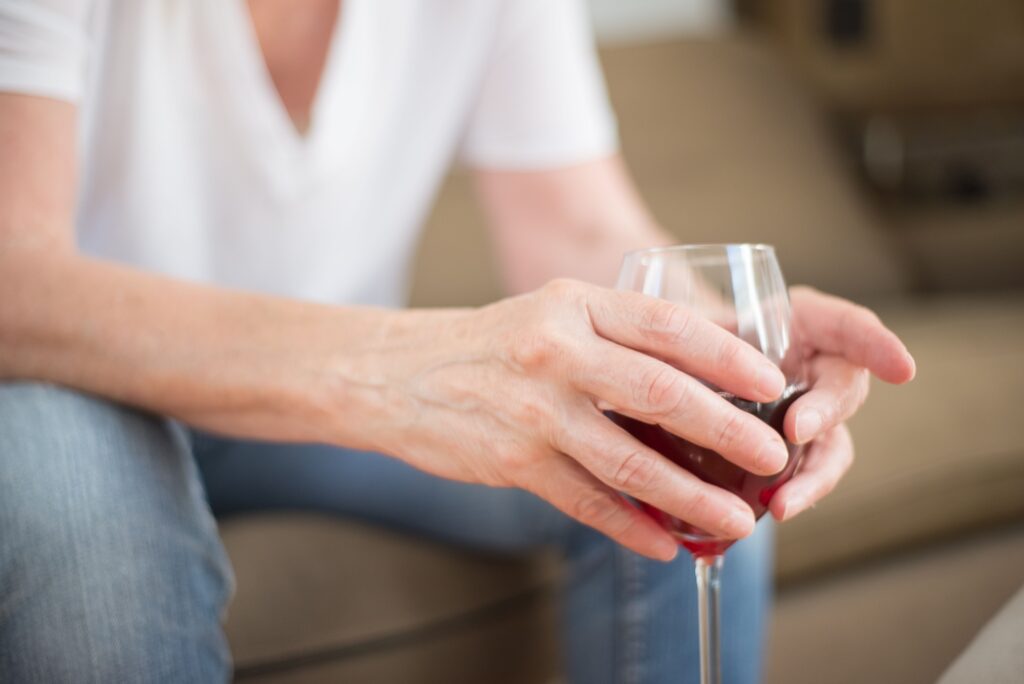
Scientists have found several ways alcohol can harm the body’s cells. Often more than one process is at work at the same time.
1. Acetaldehyde Damages DNA
When you drink, your body breaks alcohol down into a chemical called acetaldehyde. This chemical is toxic and can damage DNA, the instruction manual inside every cell. When DNA is damaged and the cell cannot repair it properly, the cell may start to grow out of control. That is how cancer begins.
2. Oxidative Stress
Breaking down alcohol also creates unstable molecules called free radicals. These molecules can injure cells, proteins, and fats in the body. Over time, this stress can contribute to cell changes that lead to cancer.
3. Changes in Hormone Levels
Alcohol can raise the level of estrogen in the blood. Estrogen can encourage some breast cells to grow and divide, which is one reason alcohol is linked to breast cancer.
4. Easier Entry for Other Cancer-Causing Chemicals
Alcohol can make the lining of the mouth and throat more open to harmful substances, such as chemicals in tobacco smoke or chewing tobacco. This is one reason people who both drink and use tobacco face much higher risks.
5. Poor Absorption of Protective Nutrients
Heavy drinking can lower the body’s ability to absorb nutrients such as folate, vitamin A, and vitamin C. These nutrients help cells repair themselves and fight damage.
6. Liver Injury and Inflammation
Long-term drinking can cause fatty liver, inflammation, and scarring (cirrhosis). A scarred liver has a much higher chance of developing liver cancer.
Which Cancers Are Linked to Alcohol?
Research has connected alcohol to at least seven types of cancer. The table below gives a simple overview.
| Cancer type | How alcohol may contribute | Who needs to take extra care |
|---|---|---|
| Mouth (oral cavity) | Direct contact with the lining of the mouth, plus easier entry for tobacco chemicals | Anyone who also smokes or chews tobacco |
| Throat (pharynx) | Similar direct irritation and DNA damage | People who drink regularly and use tobacco |
| Voice box (larynx) | Irritation and damage to tissue in the throat area | Regular drinkers and smokers |
| Esophagus (food pipe) | Acetaldehyde exposure as alcohol passes through | People who drink heavily, especially with tobacco |
| Liver | Long-term inflammation, fatty liver, and scarring | People with hepatitis B or C, or fatty liver |
| Breast | Higher estrogen levels and DNA damage | Women, especially with a family history |
| Colon and rectum | Acetaldehyde in the gut and poor nutrient absorption | People over 45 and those with family history |
Some research also suggests possible links between alcohol and other cancers, such as stomach and pancreatic cancer, but the evidence for these is still developing.
A Closer Look at Breast Cancer
Breast cancer is one of the most talked-about alcohol-related cancers, because it affects so many women. Studies suggest that for each extra standard drink per day, the risk of breast cancer rises by roughly 7 to 10 percent compared with not drinking. This means even small amounts add some risk, although the increase is modest at low levels.
A Closer Look at Head and Neck Cancers
India has a high number of mouth and throat cancers. Tobacco in the form of cigarettes, bidis, gutka, and paan with tobacco plays a large role. When alcohol is added, the risk does not simply add up. It multiplies. This is why doctors strongly advise people who use tobacco to also limit or avoid alcohol.
Alcohol and Tobacco: A Risky Combination
If you use tobacco in any form, this section matters most for you.
Think of the lining of your mouth and throat as a wall that protects the body. Tobacco chemicals put small cracks in that wall. Alcohol then acts like a solvent, helping those chemicals reach deeper layers of tissue. At the same time, acetaldehyde from alcohol damages DNA. The result is far more harm than either substance would cause alone.
Studies have repeatedly found that people who both smoke and drink heavily have many times the risk of mouth, throat, and esophageal cancer compared with people who do neither. If you cannot stop both right away, stopping tobacco first gives the largest benefit, and cutting down on alcohol adds further protection.
How Much Alcohol Is Too Much?
This is the question most readers want answered. The honest answer has two parts.
Part one: Risk rises with the amount you drink. The more you drink and the longer you drink, the higher the chance of cancer.
Part two: There is no amount that has been proven completely risk-free. Even small amounts show a measurable rise in the risk of some cancers, such as breast and esophageal cancer.
So “how much is too much” is better understood as “how much risk am I willing to accept?” Less is better, and none is the lowest-risk choice.
What Counts as One Standard Drink?
A standard drink holds about 14 grams of pure alcohol. The amounts below are close to one standard drink. Check the label on your bottle, because strength varies a lot. Many Indian strong beers have more alcohol than regular beer, so one bottle can count as more than one drink.
| Type of drink | Approximate amount that equals 1 standard drink |
|---|---|
| Regular beer (about 5% alcohol) | 355 ml (a little more than a small bottle) |
| Strong beer (about 8% alcohol) | About 220 ml (less than half a large bottle) |
| Wine (about 12% alcohol) | 150 ml (a small glass) |
| Whisky, rum, vodka, gin (about 40% alcohol) | 45 ml (a little over one large peg) |
Risk Levels by Weekly Intake
Different countries give different advice, and guidelines are updated over time. One of the clearest recent examples comes from Canada, whose 2023 guidance describes risk in levels. The chart below uses that approach as a simple way to understand how risk grows.
| Standard drinks per week | Risk level | What it means |
|---|---|---|
| 0 | Lowest risk | No alcohol-related cancer risk from drinking |
| 1 to 2 | Low risk | Small risk, avoids most harm for many people |
| 3 to 6 | Moderate risk | Risk of several cancers, including breast and colon, begins to rise noticeably |
| 7 or more | Increasingly high risk | Risk climbs steadily with each extra drink |
| 14 or more | High risk | Much higher chance of cancer, liver disease, and other harm |
Here is a simple way to picture the same idea:
Drinks per week      Relative cancer risk
0                    |
1 to 2               |==
3 to 6               |=====
7 to 13              |==========
14 or more           |================
This visual is a simple illustration of the trend, not exact percentages. Your personal risk also depends on genes, tobacco use, diet, weight, age, and other health conditions.
Is Binge Drinking Worse?
Heavy drinking in a short time stresses the body in several ways. It floods the system with acetaldehyde, harms the liver, and raises the chance of accidents. Overall weekly total matters most for long-term cancer risk, but regular binge drinking pushes that total up quickly and adds other dangers. Spreading drinks out does not make heavy intake safe.
What About Red Wine?
Red wine contains plant compounds such as resveratrol, which got a lot of attention in earlier studies. But the amount in a glass of wine is small, and no research has shown that these compounds cancel out the harm of alcohol. Wine raises cancer risk in the same way as other drinks.
Does Cutting Down Reduce Your Risk?
Yes, in many cases. This is the encouraging part of the story.
Research shows that people who stop drinking see their risk of some cancers drop over time. For example, the risk of mouth, throat, and esophageal cancer tends to fall in the years after quitting, and liver health can improve when drinking stops. The risk does not vanish overnight, and how fast it falls depends on how long and how heavily a person drank, whether they use tobacco, and their overall health.
Cutting down also helps even if you do not quit completely. Moving from heavy drinking to lighter drinking lowers your exposure, and every reduction counts. The best time to start was years ago. The second best time is today.
Pros and Cons of Cutting Down or Quitting Alcohol
Making a lifestyle change is easier when you see the full picture. Here is an honest look at both sides.
| Pros | Cons |
|---|---|
| Lower risk of several cancers over time | You may feel social pressure at parties, weddings, and work events |
| Better liver health and lower risk of fatty liver | Cravings or irritability can appear in the first weeks, especially for regular drinkers |
| Improved sleep quality after the first few weeks | Heavy drinkers can have withdrawal symptoms, which can be dangerous without medical help |
| More energy and a clearer mind | You may need new ways to relax or celebrate |
| Better mood and lower anxiety for many people | Some friendships built around drinking may change |
| Lower risk of accidents and injury | Alcohol-free drinks can feel unfamiliar at first |
| Savings on money spent on alcohol | Progress may feel slow, since cancer risk benefits build over years |
| Healthier weight, since alcohol adds calories | Old habits can return during stressful times |
A very important safety note: if you drink heavily every day, do not stop suddenly on your own. Stopping abruptly can cause serious withdrawal symptoms such as tremors, seizures, and confusion. Speak with a doctor first so the process can be done safely.
Who Should Be Extra Careful?
Some people face a higher baseline risk and should think especially carefully about alcohol:
- People who smoke or chew tobacco. The combined risk is much higher than either alone.
- People with a family history of cancer. This is especially true for breast, colon, and liver cancers.
- Women concerned about breast cancer. Breast cancer risk rises in a dose-related way.
- People with liver disease. This includes hepatitis B, hepatitis C, and fatty liver.
- People who are overweight. Excess body weight is a separate cancer risk factor, and it can add to the effect of alcohol.
- Anyone who has had cancer before. Ask your oncologist what level of alcohol, if any, is right for you.
- People taking certain medicines. Alcohol can interact with many drugs, so check with your doctor or pharmacist.
Genes also matter. Some people have gene variations that change how fast the body clears acetaldehyde. In those people, the toxic chemical stays longer in the body, and the risk may be higher even at lower intake. This is more commonly discussed in East Asian populations, but individual variation exists everywhere.
Practical Ways to Lower Your Alcohol-Related Cancer Risk
You do not need a perfect plan. Small, steady steps work well.
Know Your Numbers
Keep a simple record for two weeks. Write down every drink, including its size and strength. Many people are surprised by the total.
Set a Weekly Limit and Stick to It
Decide your limit in advance, not at the party. Planning ahead makes it easier to say no.
Add Alcohol-Free Days
Aim for several days each week with no alcohol. This breaks the daily habit and gives your body time to recover.
Slow Down
Alternate each alcoholic drink with water or a soft drink. Eat before and while drinking. Use smaller glasses.
Choose Lighter Options
Pick drinks with lower alcohol content, or try alcohol-free beer, mocktails, or sparkling water with lime.
Do Not Mix Drinking with Tobacco
If you can only change one thing, avoid using tobacco and alcohol together. Better still, work on quitting tobacco.
Support Your Overall Health
Keep a healthy weight, stay active, and eat plenty of vegetables, fruits, and whole grains. These habits lower cancer risk overall. They do not cancel out the effect of alcohol, but they help your body in many other ways.
Ask for Help When You Need It
If you find it hard to cut down, that is not a personal failing. Alcohol can be habit-forming. Talk to your doctor, za counsellor, or a support group. Help works, and many people succeed with the right support.
Warning Signs You Should Not Ignore
Alcohol-related cancers can grow quietly for years. Watch for these signs and see a doctor if any of them last more than two to three weeks:
- A mouth ulcer or white or red patch that does not heal
- Ongoing hoarseness or a change in voice
- Difficulty or pain when swallowing
- A lump in the neck, breast, or elsewhere
- Unexplained weight loss
- Constant indigestion or heartburn
- Yellowing of the skin or eyes
- Blood in the stool or a lasting change in bowel habits
- Ongoing tiredness without a clear reason
These symptoms often have simple, non-cancer causes. But early checking matters, because most cancers are easier to treat when found early.
If you drink regularly and have any of these signs, or if you have a strong family history and want to talk about screening, you can speak with an experienced oncology team at Subha Cancer Care for guidance on the right tests and next steps.
Common Myths About Alcohol and Cancer
Myth 1: “A little wine every day is good for you.”
Earlier studies suggested heart benefits, but newer research with better methods has questioned this. Any possible heart benefit does not outweigh the added cancer risk for most people.
Myth 2: “Only heavy drinkers get cancer.”
Heavy drinking carries the highest risk, but lighter drinking still adds some risk for cancers like breast and esophageal cancer.
Myth 3: “Beer is safer than hard liquor.”
The cancer risk comes from the amount of pure alcohol, not the type of drink.
Myth 4: “If I eat healthy and exercise, alcohol will not hurt me.”
Healthy habits lower your overall risk, but they do not erase the harm from alcohol.
Myth 5: “I have been drinking for years, so it is too late to change.”
It is never too late. Risk for several cancers falls after drinking is reduced or stopped.
Frequently Asked Questions
Is it safe to drink alcohol occasionally?
Occasional drinking carries a much smaller risk than regular or heavy drinking. But no level has been proven completely risk-free. If you choose to drink, keeping it rare and in small amounts is the lower-risk path.
Does alcohol cause cancer even if I have never smoked?
Yes. Alcohol raises the risk of cancer on its own. Smoking adds to the risk further, but non-smokers who drink are still at increased risk for cancers such as breast, colon, and liver cancer.
How long after quitting does cancer risk go down?
It varies. For some cancers, such as those of the mouth, throat, and esophagus, risk tends to fall gradually over several years. Your own timeline depends on how long and how much you drank and on other risk factors.
Is binge drinking worse than regular moderate drinking?
Both are harmful. Binge drinking creates sudden, heavy stress on the body and raises the chance of accidents. Regular drinking, even at moderate levels, adds up over time. Total weekly intake is a key factor for cancer risk.
Can alcohol-free beer or wine increase cancer risk?
Drinks sold as alcohol-free usually contain very little or no alcohol, so they do not carry the same cancer risk. Always check the label, because some “low alcohol” products still contain a small amount.
Does alcohol affect people who already had cancer?
It can. Some cancer survivors are advised to avoid alcohol or limit it strictly, because drinking may raise the chance of the cancer returning or of a new cancer developing. Ask your oncologist for advice that fits your situation.
Are women at higher risk than men?
Women face the added risk of breast cancer, which is closely tied to alcohol intake. Women also tend to process alcohol differently, so the same amount can have a stronger effect.
Key Takeaways
- Alcohol is a Group 1 carcinogen, the same top evidence category as tobacco.
- It is linked to cancers of the mouth, throat, voice box, esophagus, liver, breast, and colon and rectum.
- Risk rises with the amount you drink, and no level has been shown to be completely safe.
- Drinking with tobacco multiplies the risk, especially for head and neck cancers.
- Cutting down or quitting lowers risk over time, and it is never too late to start.
- Heavy daily drinkers should seek medical help before stopping.
- See a doctor early if you notice warning signs that do not go away.
Conclusion
The message from decades of research is clear and simple. Alcohol raises the risk of cancer, and the more you drink, the higher that risk climbs. The good news is that you have real power over this risk. Every drink you skip, every alcohol-free day you add, and every step you take to cut back moves your health in a better direction.
You do not have to change everything at once. Start with one small step this week. Count your drinks, add an alcohol-free day, or swap one drink for water. Then build from there. If you ever feel unsure about your own risk, or you notice symptoms that worry you, speak to a doctor without delay. Early action saves lives.