- Introduction
- How Daily Habits Influence Cancer Risk
- Habit 1: Eat a Balanced, Plant-Rich Diet
- Habit 2: Move Your Body Every Day
- Habit 3: Maintain a Healthy Weight
- Habit 4: Say No to Tobacco and Limit Alcohol
- Habit 5: Protect Your Skin and Your Environment
- Habit 6: Sleep Well and Manage Stress
- Habit 7: Get Vaccinated Against Cancer-Linked Infections
- Habit 8: Make Screening and Self-Checks a Routine
- Chart: Daily Habits at a Glance
- Build a Simple Daily Routine
- Common Myths About Cancer Prevention
- Frequently Asked Questions
- Can cancer be completely prevented?
- Which habit has the biggest effect on cancer risk?
- Does a healthy lifestyle matter if cancer runs in my family?
- At what age should I begin cancer screening?
- How much exercise do I need to lower my risk?
- Are cancer prevention supplements worth taking?
- What warning signs should I never ignore?
- Conclusion
A plain-language guide based on recommendations from the World Health Organization, the Indian Council of Medical Research, the American Cancer Society, and the International Agency for Research on Cancer.
Introduction
No one can promise that a habit will keep cancer away for good. But research shows that a large share of cancers are linked to things we do every day. The World Health Organization says that between 30 and 50 percent of cancers can be prevented by avoiding known risk factors and following evidence-based prevention strategies.
That is encouraging news. It means small choices, repeated over months and years, can lower your risk in a real way.
In this guide, you will learn which daily habits matter most. We cover food, movement, weight, tobacco, alcohol, sun safety, sleep, stress, vaccines, and screening. Each section gives simple steps you can start today, along with honest pros and cons.
This article is written for everyday readers, so we keep the language easy and the advice practical. You do not need to change everything at once. Pick two or three habits, build them into your routine, and add more over time.
How Daily Habits Influence Cancer Risk

Cancer starts when cells in the body change and grow out of control. Over time, certain exposures can damage the DNA inside our cells. Some of these exposures come from our lifestyle. Others come from our genes, our age, or the environment.
Doctors often split risk factors into two groups.
Modifiable risk factors are things you can change. These include tobacco use, alcohol, diet, physical activity, body weight, sun exposure, and vaccination status.
Non-modifiable risk factors are things you cannot change. These include your age, your family history, and inherited gene changes.
Many people feel that because cancer can run in families, there is nothing they can do. That is not true. Even people with a strong family history can lower their risk by living healthfully and getting screened on time. Healthy habits will not remove genetic risk, but they can reduce the overall burden on your body.
Three processes link daily habits to cancer:
- Chronic inflammation. Long-term inflammation can damage healthy cells. Poor diet, excess body fat, and smoking can all keep inflammation high.
- Hormone changes. Extra body fat can raise levels of hormones such as estrogen and insulin. This is linked to some breast, uterine, and colon cancers.
- Direct cell damage. Tobacco smoke, alcohol, and ultraviolet rays can harm DNA directly.
The good news is that every habit in this guide helps with at least one of these three processes.
Habit 1: Eat a Balanced, Plant-Rich Diet
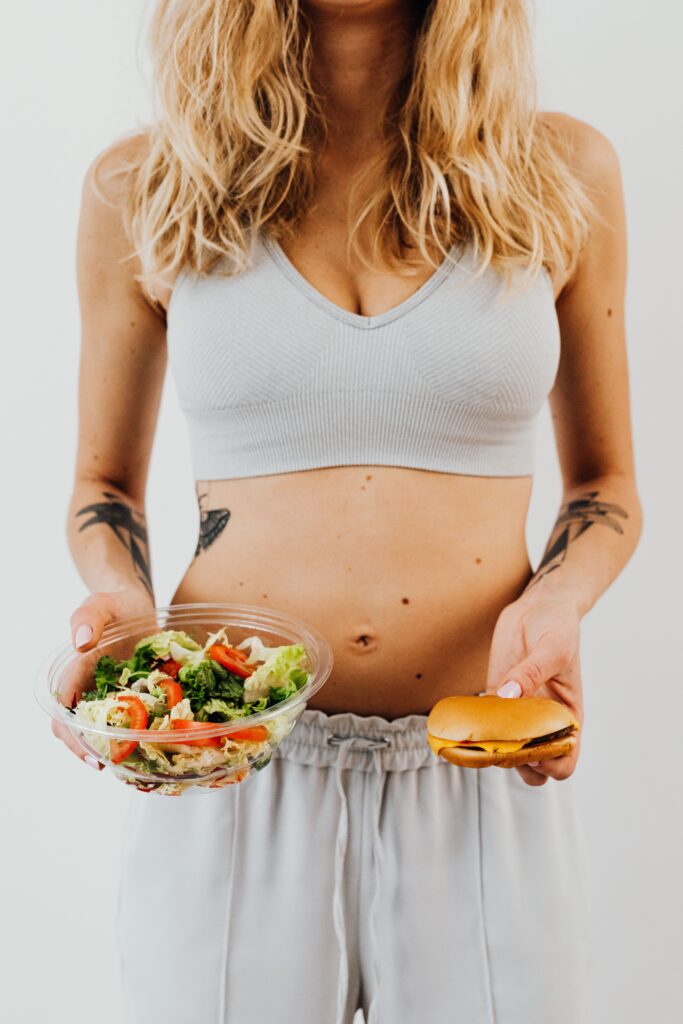
What you eat every day shapes your long-term cancer risk. No single food can prevent cancer, but the overall pattern of your diet matters a great deal.
What to do
- Fill half your plate with vegetables and fruits. Choose a mix of colors. Leafy greens, carrots, tomatoes, citrus fruits, and berries all offer different protective compounds.
- Choose whole grains and pulses. Brown rice, millets, whole wheat, dal, rajma, and chana are rich in fibre. Fibre supports gut health and is linked to a lower risk of colorectal cancer.
- Limit processed meat. The International Agency for Research on Cancer classifies processed meat, such as sausages, bacon, and packaged cold cuts, as a cause of colorectal cancer. Red meat is listed as a probable cause. Keep both occasional.
- Cut down on fried and charred food. Foods cooked at very high heat or burnt can form chemicals that may harm cells. Avoid reusing cooking oil many times.
- Reduce sugary drinks and packaged snacks. These add calories without nutrition and can lead to weight gain.
- Drink enough water. Staying hydrated supports digestion and overall health.
Pros and cons of a plant-rich diet
Pros
- Supports a healthy weight
- Provides fibre, vitamins, and antioxidants
- Helps protect the heart and control blood sugar
- Fits easily into most Indian meals
Cons
- Takes some planning if you are used to heavy or fried food
- Fresh produce can cost more in some seasons
- A very restricted diet may miss nutrients such as vitamin B12, so balance is key
A simple tip: add one extra serving of vegetables to lunch and dinner. Small changes are easier to keep than big ones.
Habit 2: Move Your Body Every Day
Physical activity is one of the strongest everyday tools for lowering cancer risk. Regular movement is linked to a lower risk of colon, breast, and endometrial cancers. It also helps you stay at a healthy weight and keeps hormone levels more balanced.
What to do
- Aim for about 150 minutes of moderate activity each week. This is the general adult recommendation from the World Health Organization. That works out to roughly 30 minutes on most days.
- Choose activities you enjoy. Brisk walking, cycling, swimming, dancing, yoga, and playing sports all count.
- Break up long sitting time. If you work at a desk, stand up and stretch every 30 to 60 minutes.
- Use the stairs and walk short distances. These small moments add up.
If you are new to exercise, start with 10 minutes a day and build slowly. If you have a heart condition, joint problems, or another health concern, speak with your doctor first.
Pros and cons of daily exercise
Pros
- Lowers the risk of several cancers
- Improves mood, sleep, and energy
- Costs little or nothing
- Helps manage weight and blood sugar
Cons
- Needs time and consistency
- Overdoing it can lead to injury
- Weather and busy schedules can make it hard to stay regular
Habit 3: Maintain a Healthy Weight
Carrying extra body fat for many years is linked to a higher risk of at least a dozen types of cancer. These include breast cancer after menopause, colon cancer, kidney cancer, liver cancer, pancreatic cancer, and endometrial cancer.
Fat tissue is not just storage. It is active, and it releases hormones and inflammatory substances that can encourage abnormal cell growth.
What to do
- Check your waist. A growing waistline can signal extra fat around the organs, which is especially linked to health risks.
- Focus on slow, steady change. Losing even a small amount of weight can improve your health markers.
- Avoid crash diets. Extreme plans are hard to keep and may harm your body.
- Combine food and movement. Neither one works as well alone.
A registered dietitian can build a plan that suits your lifestyle, culture, and food preferences.
Habit 4: Say No to Tobacco and Limit Alcohol
If there is one habit change that saves the most lives, it is staying away from tobacco.
Tobacco
Tobacco is the single largest preventable cause of cancer worldwide. In India, it is a major reason for the high number of mouth, throat, and lung cancers. The risk is not limited to cigarettes and bidis. Chewing tobacco, gutka, khaini, and paan with tobacco are all harmful. Secondhand smoke also raises risk for the people around you.
The encouraging part is that quitting helps at any age. Within a few years of quitting, the risk of many cancers begins to fall, and it keeps falling over time.
Tips for quitting
- Set a quit date and tell family and friends
- Ask your doctor about nicotine replacement and other medicines
- Use helplines and counseling support
- Avoid the places and routines that trigger the urge
- Expect setbacks and try again without guilt
Alcohol
Alcohol is classified as a cause of cancer. It is linked to cancers of the mouth, throat, food pipe, liver, colon, and breast. The risk goes up with the amount you drink, and no level is completely free of risk. If you do drink, keeping it low and occasional is safer than drinking often. Not drinking at all is the safest choice for cancer prevention.
Pros and cons of cutting tobacco and alcohol
Pros
- Gives the largest single drop in cancer risk
- Improves heart, lung, and liver health
- Saves money
- Protects family members from secondhand smoke
Cons
- Withdrawal and cravings can be hard in the first weeks
- Social pressure can make it tougher
- Often needs professional support to succeed
Habit 5: Protect Your Skin and Your Environment
Sun safety
Ultraviolet rays from the sun can damage skin cells and lead to skin cancer. Skin cancer is less common in people with darker skin tones, but it still occurs and is often found late. Everyone benefits from sensible sun habits.
- Use a broad-spectrum sunscreen with SPF 30 or higher when outdoors for long periods
- Wear a hat, sunglasses, and light full-sleeve clothing
- Seek shade between late morning and mid-afternoon
- Check your skin regularly for new or changing moles and sores that do not heal
Air and workplace exposures
Outdoor air pollution has been classified as a cause of lung cancer. You cannot control every breath you take, but you can reduce exposure.
- On high-pollution days, limit long outdoor exercise and consider a well-fitted mask
- Use proper ventilation when cooking, especially with solid fuels
- Follow safety rules when working with chemicals, dust, asbestos, or fumes
- Test your home for radon if you live in a region where it is a known concern
Habit 6: Sleep Well and Manage Stress
Sleep and stress do not cause cancer by themselves, but they affect many body systems that matter for long-term health. Poor sleep and constant stress can lead to weight gain, unhealthy eating, lower activity, and higher use of tobacco or alcohol. Long-term night shift work has also been listed by the International Agency for Research on Cancer as a probable cause of cancer.
What to do
- Aim for 7 to 9 hours of sleep. Keep a regular bedtime and wake time.
- Switch off screens before bed. A calm, dark room helps your body rest.
- Try simple stress tools. Deep breathing, meditation, prayer, music, time in nature, or a hobby can all help.
- Stay connected. Spend time with family and friends. Strong social bonds support mental and physical health.
- Ask for help when needed. If low mood or anxiety lasts for weeks, talk to a doctor or counselor.
Habit 7: Get Vaccinated Against Cancer-Linked Infections
Some infections can lead to cancer over time. Vaccines can protect you from two of the most important ones.
- HPV vaccine. Human papillomavirus causes almost all cervical cancers and is linked to some cancers of the throat, anus, and genitals. The vaccine works best when given before exposure, usually in the early teen years, but your doctor can advise you on options if you are older.
- Hepatitis B vaccine. Long-term hepatitis B infection can lead to liver cancer. The vaccine is safe and widely available.
Good hygiene and safe practices also help prevent infections such as hepatitis C and H. pylori, which are linked to liver and stomach cancers.
Habit 8: Make Screening and Self-Checks a Routine
Screening does not prevent cancer in every case, but it can find cancer early or even find changes before they turn into cancer. Early detection often means simpler treatment and better outcomes.
Self-checks you can do at home
- Breast awareness. Know how your breasts normally look and feel. Report any lump, skin change, nipple change, or discharge to a doctor.
- Mouth check. Look inside your mouth for white or red patches, ulcers that do not heal in two weeks, or unusual lumps. This is especially important if you use tobacco.
- Skin check. Watch for moles that change in size, shape, or color.
- Body signals. Do not ignore unexplained weight loss, ongoing cough, blood in stool or urine, persistent pain, or long-lasting changes in bowel habits.
Common screening tests
Exact ages and schedules vary by guideline, your gender, and your personal risk, so always confirm with your doctor.
- Cervical cancer: Pap smear or HPV testing, usually starting in the mid-twenties to thirties
- Breast cancer: Clinical breast exams and mammograms, often starting around age 40 to 45
- Colorectal cancer: Stool tests or colonoscopy, often starting around age 45
- Lung cancer: Low-dose CT scans for certain long-term heavy smokers
- Oral cancer: Regular mouth exams, especially for tobacco users
- Prostate cancer: A shared decision with your doctor about PSA testing, usually from middle age
If you have a family history of cancer, you may need to start earlier. Talk to a specialist who can review your history and suggest a personal plan. For patients in Hyderabad and nearby regions, a dedicated cancer hospital such as Subha Comprehensive Cancer Care can offer expert consultation and guidance on early detection.
Pros and cons of regular screening
Pros
- Finds cancer at an earlier and more treatable stage
- Can detect pre-cancer changes before they become cancer
- Gives peace of mind when results are normal
Cons
- Tests may cause short-term worry or discomfort
- False alarms can lead to extra tests
- Some tests carry small risks or costs
For most people, the benefits of recommended screening clearly outweigh the downsides.
Chart: Daily Habits at a Glance
Use this chart to see how each habit compares in impact and effort.
| Daily Habit | Cancers Linked | Impact on Risk | Effort Level | Best First Step |
|---|---|---|---|---|
| Avoid tobacco | Lung, mouth, throat, bladder | Very high | High at first | Set a quit date and seek support |
| Limit alcohol | Liver, breast, colon, mouth | High | Medium | Set weekly limits or stop |
| Eat plant-rich food | Colon, stomach | High | Medium | Add one vegetable serving per meal |
| Move daily | Colon, breast, uterine | High | Low to medium | Walk 30 minutes a day |
| Healthy weight | Breast, colon, liver, kidney | High | Medium | Track your waist and eat mindfully |
| Sun protection | Skin | Medium | Low | Use sunscreen and shade |
| Vaccination | Cervical, liver | High | Very low | Ask your doctor about HPV and hepatitis B |
| Sleep and stress care | Supports overall risk reduction | Medium | Low to medium | Fix a regular sleep time |
| Regular screening | Many types, early detection | High | Low | Book a checkup this month |
Build a Simple Daily Routine
Habits stick best when they fit into your day. Here is an easy sample routine.
Morning
- Drink a glass of water
- Do 10 to 15 minutes of stretching, yoga, or a brisk walk
- Have a breakfast with whole grains, fruit, or eggs, dal, or sprouts
Afternoon
- Eat a lunch with at least half the plate as vegetables
- Stand and stretch every hour
- Choose fruit or nuts instead of fried snacks
Evening
- Take a 20 to 30 minute walk
- Cook with fresh ingredients and less oil
- Spend time with family or friends
Night
- Switch off screens an hour before bed
- Practice deep breathing or quiet time
- Sleep at a fixed time
Start with just two or three of these steps. After a few weeks, add more. Involve your family so the whole household benefits.
Common Myths About Cancer Prevention
Misinformation spreads quickly online. Here are a few myths worth clearing up.
Myth: Cancer is always inherited. Fact: Only a small share of cancers are caused by inherited gene changes. Most are linked to a mix of age, lifestyle, and environment.
Myth: A single superfood can prevent cancer. Fact: No one food can do this. Your overall eating pattern matters more than any one ingredient.
Myth: Cutting out all sugar will starve cancer cells. Fact: All cells use sugar for energy. The better goal is to avoid excess sugar and maintain a healthy weight.
Myth: Supplements can replace a healthy diet. Fact: High-dose supplements have not been shown to prevent cancer and some may even raise risk. Food is the better source of nutrients.
Myth: If I feel fine, I do not need screening. Fact: Many cancers cause no symptoms in the early stages. That is exactly when screening works best.
Frequently Asked Questions
Can cancer be completely prevented?
No habit can guarantee that you will never get cancer. But healthy habits can lower your risk significantly, and screening can help catch problems early.
Which habit has the biggest effect on cancer risk?
Avoiding tobacco in all forms has the largest impact. After that, a healthy weight, regular activity, a balanced diet, limiting alcohol, and vaccination all play important roles.
Does a healthy lifestyle matter if cancer runs in my family?
Yes. You cannot change your genes, but healthy habits can still reduce your overall risk. Share your family history with your doctor so you can plan earlier or more frequent screening if needed.
At what age should I begin cancer screening?
It depends on the type of cancer, your gender, and your personal risk. Many screening tests begin between ages 25 and 45. Your doctor can guide you based on your health history.
How much exercise do I need to lower my risk?
About 150 minutes of moderate activity a week is a good target for most adults. Even smaller amounts help, so start where you are and build up.
Are cancer prevention supplements worth taking?
Most people do not need them if they eat a balanced diet. Some people have specific needs, so speak with your doctor before starting any supplement.
What warning signs should I never ignore?
See a doctor if you notice a lump, unexplained weight loss, a sore that does not heal, long-lasting cough or hoarseness, blood in stool or urine, or any change that lasts more than two to three weeks.
Conclusion
Preventing cancer is not about one big change. It is about many small choices made day after day. Eat more plants, move your body, keep a healthy weight, avoid tobacco, limit alcohol, protect your skin, sleep well, get vaccinated, and attend your screenings.
You do not have to do everything at once. Choose one habit this week and make it part of your routine. Then add another next week. Over time, these steps can make a real difference to your health and to the health of the people you love.
If you have questions about your personal risk, speak with a qualified doctor. They can look at your age, family history, and lifestyle and help you build a plan that fits you.
Disclaimer: This article is for general information only and is not a substitute for professional medical advice, diagnosis, or treatment. Always consult a qualified healthcare provider about your own health.