- Why Prevention Matters More Than People Think
- 1. Stay Away From Tobacco in Every Form
- 2. Keep Your Weight in a Healthy Range
- 3. Build a Plant Forward, Balanced Diet
- 4. Move Your Body Regularly
- 5. Limit Alcohol Intake
- 6. Protect Your Skin From UV Exposure
- 7. Get Vaccinated Against Cancer Causing Infections
- 8. Keep Up With Recommended Cancer Screenings
- 9. Reduce Exposure to Environmental and Occupational Carcinogens
- 10. Prioritize Sleep and Manage Chronic Stress
- Pros and Cons of Focusing on Lifestyle Based Cancer Prevention
- A Realistic Way to Start
Medically reviewed content style guide: This article is for general education only. It is not a substitute for advice from a qualified oncologist or physician. Always talk to your doctor before making major changes to your diet, exercise routine, or screening schedule.
Cancer is one of the most feared words in medicine, but it is also one of the most misunderstood. Many people believe cancer strikes at random, and while genetics and bad luck do play a role, a large share of cancer cases are actually linked to things we can change.
A major global study from the World Health Organization looked at new cancer cases recorded in 2022 and found that 37 percent of them were linked to preventable causes such as tobacco use, alcohol, excess weight, physical inactivity, air pollution, ultraviolet radiation, and chronic infections. The American Cancer Society has published similar findings in the United States, estimating that 40 percent of all cancer cases and nearly half of all cancer deaths are tied to risk factors that people can potentially modify.
That is a powerful statistic. It means that daily habits, the food on your plate, the number of steps you take, whether you smoke, and even the vaccines you get, genuinely shape your long term risk. This guide breaks down ten habits backed by research that can help lower that risk, explains the honest pros and cons of each, and gives you a clear, practical starting point.
Why Prevention Matters More Than People Think
Cancer prevention rarely comes from one dramatic change. It comes from small, consistent decisions that add up over years. Tobacco alone remains the single biggest preventable cause of cancer worldwide, responsible for around 15 percent of new cancer cases globally, followed by chronic infections at roughly 10 percent and alcohol at about 3 percent. Understanding where the biggest risks come from helps you focus your energy where it matters most instead of worrying about everything at once.
Below is a simple breakdown of how much of the global cancer burden is linked to a few major, well documented risk factors. Numbers are approximate and drawn from published WHO estimates, since real world risk varies by country, genetics, and individual circumstances.
| Risk Factor | Approximate Share of Global Cancer Cases |
|---|---|
| Tobacco use | 15% |
| Chronic infections (HPV, Hepatitis B, H. pylori) | 10% |
| Alcohol consumption | 3% |
| All modifiable factors combined | 37% |
Three cancer types alone, lung, stomach, and cervical cancer, make up close to half of all preventable cancer cases worldwide. Lung cancer is mostly linked to smoking and air pollution, stomach cancer is largely tied to a common bacterial infection called H. pylori, and cervical cancer is overwhelmingly caused by human papillomavirus, a virus that a vaccine can prevent. That single fact tells you a lot about where prevention efforts pay off the most.
With that context in mind, here are ten habits that genuinely move the needle.
1. Stay Away From Tobacco in Every Form
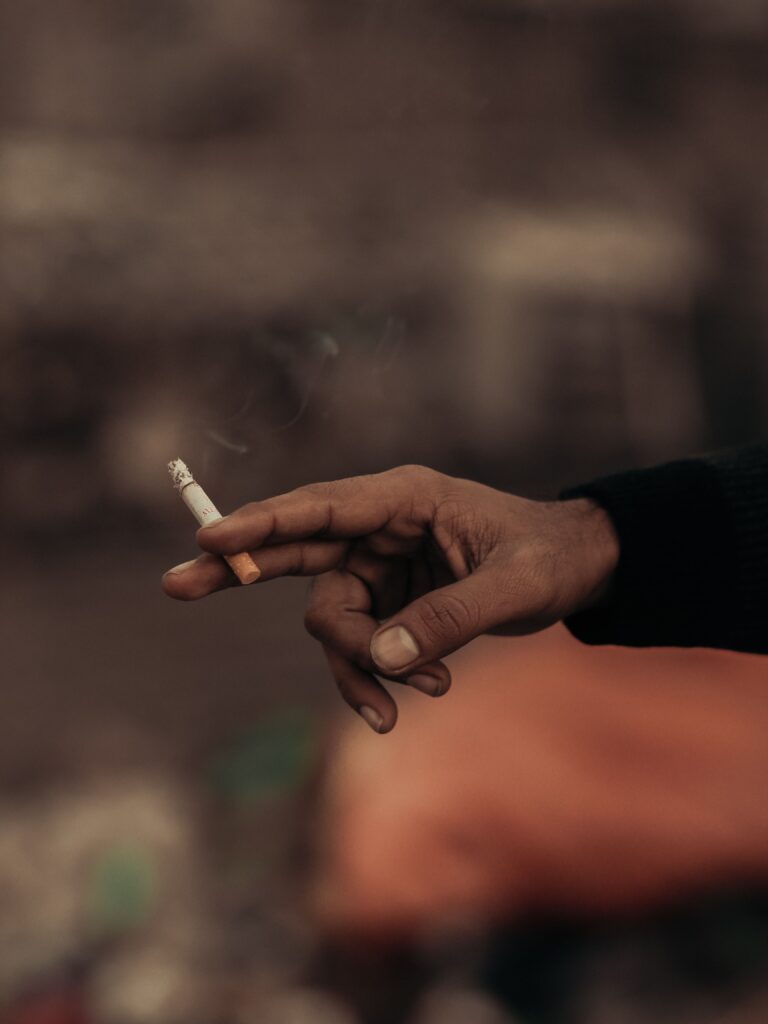
Tobacco use is the largest single preventable cause of cancer on the planet. This includes cigarettes, cigars, chewing tobacco, and vaping products, along with regular exposure to secondhand smoke.
Quitting is hard, but the payoff starts almost immediately. Within a year of quitting, the risk of heart disease drops sharply, and within a decade, lung cancer risk falls significantly compared to someone who continues smoking.
Practical steps:
- Talk to your doctor about nicotine replacement therapy or prescription medications that ease cravings
- Identify your smoking triggers, such as stress, coffee, or social settings, and plan around them
- Consider a quit date and tell friends or family so you have support
- Avoid vaping as a “safer” substitute, since long term data is still limited and it still delivers nicotine and other chemicals
2. Keep Your Weight in a Healthy Range

Carrying excess body fat is linked to more than a dozen cancer types, including breast, colorectal, endometrial, kidney, and pancreatic cancer. Fat tissue does more than store energy. It also produces hormones and inflammatory signals that can encourage abnormal cell growth over time.
You do not need a dramatic transformation. Even a modest, sustained weight loss of 5 to 10 percent of body weight has been shown to improve several health markers linked to cancer risk.
Practical steps:
- Focus on gradual, sustainable changes rather than crash diets
- Track portion sizes instead of eliminating entire food groups
- Combine dietary changes with regular movement for better long term results
- Work with a doctor or dietitian if you have a complex medical history
3. Build a Plant Forward, Balanced Diet
What you eat every day has a cumulative effect on your cells over decades. Diets rich in fruits, vegetables, whole grains, legumes, and fiber are associated with lower rates of several cancers, particularly colorectal cancer.
On the other hand, high consumption of red meat, processed meat, and ultra processed foods has been linked to increased risk. The World Health Organization has classified processed meat as a known carcinogen and red meat as a probable carcinogen when eaten in large amounts.
Practical steps:
- Aim to fill half your plate with vegetables and fruit at most meals
- Choose whole grains like brown rice, oats, and whole wheat over refined options
- Limit processed meats such as bacon, sausages, and deli meats
- Cook more meals at home to control ingredients and portion sizes
4. Move Your Body Regularly
Physical activity does more than help with weight control. It directly influences hormone levels, inflammation, and immune function in ways that appear to lower cancer risk independent of weight.
Health authorities generally recommend at least 150 minutes of moderate intensity activity per week, such as brisk walking, cycling, or swimming, along with muscle strengthening activities on two or more days.
Practical steps:
- Break activity into shorter sessions if 30 minutes at once feels overwhelming
- Choose activities you actually enjoy so the habit sticks
- Add strength training twice a week using body weight, bands, or weights
- Use daily habits like taking the stairs or walking during phone calls to add movement
5. Limit Alcohol Intake
Alcohol is a recognized carcinogen, and the relationship between alcohol and cancer risk is dose dependent. This means the more you drink, the higher the risk, and there is no fully “safe” threshold, though moderate drinking carries a smaller risk than heavy drinking.
Alcohol has been linked to cancers of the mouth, throat, esophagus, liver, breast, and colon.
Practical steps:
- If you drink, keep intake within the moderate guidelines your country’s health authority recommends
- Have alcohol free days during the week
- Be mindful that even small daily amounts add up over a year
- Consider swapping some drinking occasions for alcohol free alternatives
6. Protect Your Skin From UV Exposure
Skin cancer, including melanoma, is one of the most common cancers worldwide, and it is also one of the most preventable. Ultraviolet radiation from the sun and tanning beds damages skin cell DNA, and repeated exposure over the years raises risk substantially.
Practical steps:
- Use a broad spectrum sunscreen with SPF 30 or higher daily, even on cloudy days
- Wear protective clothing, hats, and sunglasses during peak sun hours
- Avoid tanning beds entirely, since they significantly raise melanoma risk
- Check your skin regularly for new or changing moles and see a dermatologist if something looks unusual
7. Get Vaccinated Against Cancer Causing Infections
This is one of the most underused tools in cancer prevention. Chronic infections are responsible for roughly a tenth of preventable cancer cases worldwide, and two of the biggest culprits, HPV and Hepatitis B, already have effective vaccines.
The HPV vaccine protects against the virus responsible for the vast majority of cervical cancers, along with a share of throat, anal, and other cancers. The Hepatitis B vaccine protects against a major cause of liver cancer.
Practical steps:
- Ask your doctor about HPV vaccination if you or your children have not been vaccinated
- Confirm your Hepatitis B vaccination status, especially if you were not vaccinated as an infant
- Discuss catch up vaccination schedules for older teens and adults, since eligibility has expanded in many countries
8. Keep Up With Recommended Cancer Screenings
Screening will not prevent cancer from forming, but it dramatically improves the odds of catching it early, when treatment tends to be simpler and more effective. Some screenings, like colonoscopies, can even remove precancerous growths before they become cancer at all.
Common screenings include mammograms for breast cancer, Pap smears and HPV testing for cervical cancer, colonoscopies for colorectal cancer, and low dose CT scans for long term smokers at higher risk of lung cancer.
Practical steps:
- Follow the screening schedule recommended for your age, sex, and family history
- Do not skip screenings just because you feel healthy, since early cancer often has no symptoms
- Keep a record of your screening dates so nothing falls through the cracks
- If you are unsure where to start, a dedicated oncology resource like Subha Cancer Care can help you understand appropriate screening timelines and connect with specialists for personalized guidance
9. Reduce Exposure to Environmental and Occupational Carcinogens
Not every cancer risk comes from personal habits. Some come from the environment around us, including radon gas in homes, certain workplace chemicals, and air pollution.
Radon is a naturally occurring radioactive gas that is the second leading cause of lung cancer after smoking, and it is completely invisible without testing.
Practical steps:
- Test your home for radon, especially if you live in a high risk region
- Follow safety protocols if your job involves chemical exposure, including proper protective equipment
- Support and use good ventilation in enclosed workspaces
- Stay informed about local air quality and limit outdoor exertion on high pollution days
10. Prioritize Sleep and Manage Chronic Stress
This is a newer area of cancer research, but the evidence is growing. Chronic stress and poor sleep are linked to inflammation and immune dysfunction, both of which may play a role in how the body detects and clears abnormal cells.
While stress alone is not considered a direct cause of cancer, unmanaged chronic stress often leads to other risk increasing behaviors, such as poor diet, inactivity, smoking, or drinking.
Practical steps:
- Aim for 7 to 9 hours of sleep most nights
- Build stress management habits like journaling, exercise, or talking to a therapist
- Set boundaries around work and screen time in the evening
- Treat sleep and stress management as seriously as diet and exercise, not as an afterthought
Pros and Cons of Focusing on Lifestyle Based Cancer Prevention
It is worth being honest about what lifestyle changes can and cannot do. Here is a balanced look.
Pros
- Lifestyle changes address a large share of preventable cancer risk, potentially close to 40 percent of cases according to major health bodies
- Many of these habits also reduce risk for heart disease, diabetes, and other chronic conditions at the same time
- Most changes are low cost and do not require medical intervention to start
- Small, gradual changes tend to be sustainable and build momentum over time
Cons
- Lifestyle changes reduce risk, they do not guarantee prevention, since genetics and other factors still matter
- Some habits, like quitting smoking or long term weight loss, are genuinely difficult and may require professional support
- Results are not immediate and often take years to meaningfully lower risk
- Certain risk factors, like family history or genetic mutations, cannot be changed through lifestyle alone, which is why screening still matters
A Realistic Way to Start
Trying to overhaul every habit at once is a common reason people give up. A more realistic approach is to pick one or two changes from this list that feel achievable right now, whether that is scheduling an overdue screening, cutting back on processed meat, or adding a daily walk. Once that becomes routine, add another.
Cancer prevention is not about perfection. It is about stacking the odds in your favor over time, through consistent, evidence based choices. Combined with regular checkups and appropriate screenings, these ten habits represent one of the most effective ways available to lower your personal cancer risk.
Disclaimer: This article is intended for general informational purposes and does not replace professional medical advice, diagnosis, or treatment. Always consult a qualified healthcare provider regarding your individual risk factors and screening needs.