
- What Counts as Processed Meat?
- What Does the Research Say About Processed Meat and Cancer?
- Group 1 Does Not Mean “As Dangerous as Smoking”
- How Does Processed Meat Raise Cancer Risk?
- How Much Processed Meat Is Too Much?
- Should You Stop Eating Processed Meat Completely?
- Smarter Swaps for Your Favourite Processed Meats
- Safer Cooking Habits for Meat Lovers
- Other Ways to Lower Your Colorectal Cancer Risk
- When Should You See a Doctor?
- Frequently Asked Questions
- 1. Does eating processed meat once in a while cause cancer?
- 2. Is bacon worse than sausage for cancer risk?
- 3. Are “nitrate-free” or “uncured” meats safe?
- 4. Is chicken ham or turkey ham a healthier choice?
- 5. Does processed meat cause cancers other than colorectal cancer?
- 6. How much processed meat can I eat per week?
- 7. Are home-cured or dried meats safer than packaged ones?
- 8. Is unprocessed red meat also a concern?
- Final Takeaway: Eat Smarter, Not Scared
Picture a normal weekday morning. A sausage sandwich on the way to work. Ham in the kids’ lunchboxes. A packet of chicken nuggets in the freezer for busy evenings.
These foods are quick, tasty and easy to find. But over the past few years, you may have seen scary headlines saying that processed meat causes cancer. Some even compared it to smoking.
So what is the truth? Do you need to throw out everything in your fridge? Or is the fear bigger than the facts?
In this guide, we explain what processed meat is, what research says about processed meat and cancer, how big the risk really is, and what you can do about it. We keep the language simple and the advice practical. By the end, you will know exactly how to make smart choices without stress.
What Counts as Processed Meat?
Processed meat is meat that has been changed to make it last longer or taste better. This is usually done by salting, curing, smoking, fermenting or adding preservatives.
Common examples include:
- Bacon
- Sausages and hot dogs
- Ham and salami
- Canned meat
- Frozen nuggets and ready-to-fry patties
- Cured, smoked or dried meats
- Meat-based spreads and luncheon meat
Fresh chicken, fish, mutton or beef that you cook at home from raw is not processed meat. It is unprocessed meat. This difference matters a lot, because most of the cancer concern is linked to the processing, not to the meat itself.
Here is a simple way to remember it. If the meat looks like it did when the animal was cut, it is probably unprocessed. If it has been cured, smoked, packaged with preservatives or shaped into a new product, it is likely processed.
What Does the Research Say About Processed Meat and Cancer?
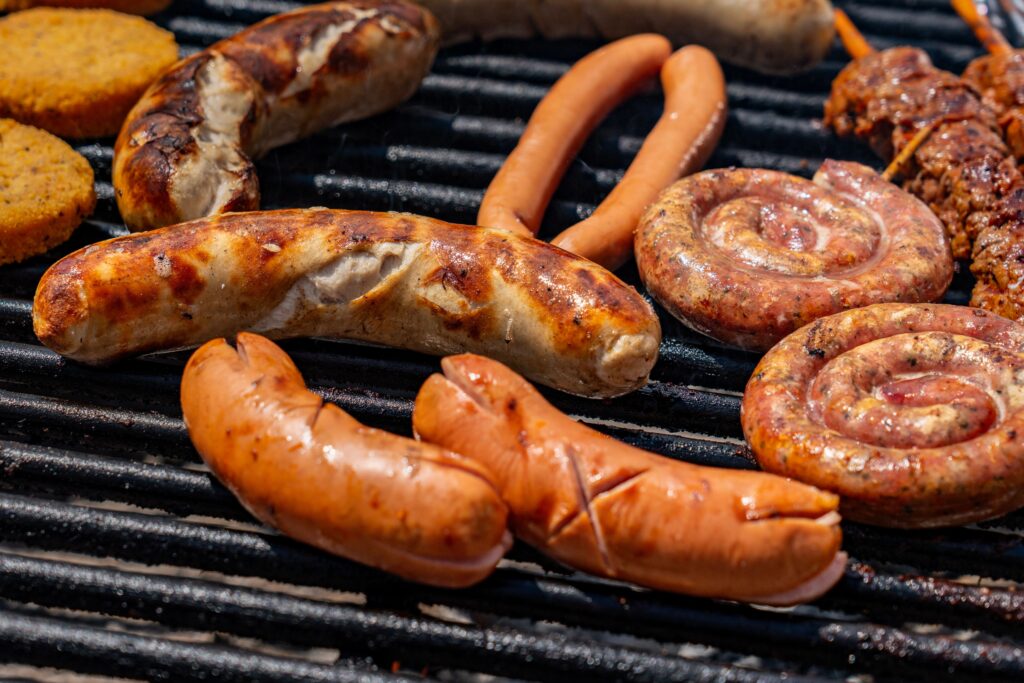
In 2015, the International Agency for Research on Cancer (IARC), which is part of the World Health Organization, reviewed hundreds of studies from many countries. A group of expert scientists looked at all the evidence together.
Their conclusion was clear. Processed meat was placed in Group 1, which means there is strong evidence that it can cause cancer in humans. Red meat was placed in Group 2A, which means it is probably carcinogenic.
The strongest link found was with colorectal cancer, which is cancer of the colon or rectum. Some studies also suggest a link with stomach cancer, though the evidence is not as firm.
The IARC review found that eating 50 grams of processed meat every day was linked to about an 18 percent higher risk of colorectal cancer. Fifty grams is roughly one hot dog or two to three slices of ham.
Other major health bodies agree with this direction. The World Cancer Research Fund (WCRF) advises people to eat very little, if any, processed meat. They also suggest limiting red meat to moderate amounts. Indian dietary guidance from national nutrition bodies also encourages more plant-based foods, whole grains, pulses and vegetables as the base of a healthy diet.
So the message from experts is consistent: the link is real, and cutting back is wise.
Group 1 Does Not Mean “As Dangerous as Smoking”
This is the part most headlines get wrong.
IARC groups substances by how strong the evidence is, not by how much harm they cause. Group 1 simply means scientists are very sure that something can cause cancer. It does not tell you how likely it is to happen.
Tobacco, alcohol, sunlight and processed meat all sit in Group 1. But their effects are very different in size. Smoking raises the risk of lung cancer many times over. Processed meat raises the risk of colorectal cancer by a much smaller amount.
To understand this better, let us look at two types of risk.
Relative risk tells you how much higher your chances become compared to someone else. For example, an 18 percent increase.
Absolute risk tells you your actual chance of getting the disease.
Here is a simple example. In many countries, the lifetime risk of colorectal cancer is around 4 to 5 in 100 people. If a person eats 50 grams of processed meat every single day, that risk rises by roughly 18 percent. That moves it to about 5 to 6 in 100 people. That is a real increase, but it is not a guarantee, and it is nowhere near the risk linked to smoking.
Chart: Understanding the Risk in Simple Terms
| Habit | Strength of evidence (IARC group) | Size of cancer risk | Easy takeaway |
|---|---|---|---|
| Smoking tobacco | Group 1 | Very high | Avoid completely |
| Heavy alcohol use | Group 1 | High | Limit or avoid |
| Processed meat, daily | Group 1 | Small to moderate | Cut down, swap often |
| Processed meat, occasionally | Group 1 | Very small | Keep it rare |
| Unprocessed red meat | Group 2A | Small | Eat in moderation |
| Fresh chicken and fish | Not classified as a concern | Very low | Good protein choices |
How to read this chart: The strength of evidence column tells you how sure scientists are. The size of risk column tells you how much it matters for your health. They are not the same thing.
How Does Processed Meat Raise Cancer Risk?
Scientists have found several reasons why processed meat may harm the body over time. Here are the main ones.
1. Nitrites and Nitrates
Many processed meats use nitrites and nitrates to keep the meat pink, stop bacteria from growing and add flavour. In the body, these can turn into compounds called N-nitroso compounds. Some of these compounds can damage the cells that line the gut.
2. Heme Iron
Red and processed meats are rich in heme iron. Heme iron can help form harmful compounds in the gut and may irritate the bowel lining.
3. Chemicals From High-Heat Cooking
When meat is grilled, fried or smoked at high heat, chemicals such as heterocyclic amines and polycyclic aromatic hydrocarbons can form. These are known to damage DNA in laboratory studies. Charred and blackened bits on bacon, sausages and tandoori-style meat are a common source.
4. High Salt Content
Processed meats are often very salty. A diet high in salt is linked with stomach cancer and with high blood pressure.
5. Effects on Gut Health
A diet heavy in processed meat and low in fibre can change the balance of bacteria in the gut. This may increase inflammation, which can raise cancer risk over many years.
No single factor tells the whole story. It is usually a mix of these effects, along with the rest of your diet and lifestyle, that matters.
How Much Processed Meat Is Too Much?
The research shows what experts call a dose response. This means the more you eat, and the more often, the higher the risk goes. It is not a switch that turns on at a certain point. It is more like a slope.
Here is a practical way to think about it:
- Daily intake carries the most concern, because the risk adds up over the years.
- A few times a month carries a much smaller concern.
- Rare treats, such as a sausage at a family barbecue, are unlikely to make a meaningful difference on their own.
Some helpful portion guides:
- 50 grams of processed meat is about one hot dog, one or two sausages, or two to three slices of ham.
- A typical strip of bacon is about 10 to 15 grams, so a few strips can add up quickly.
Most health organisations suggest keeping processed meat as low as you reasonably can. If you currently eat it every day, even moving to two or three times a week is a good first step.
Who Should Be Extra Careful?
Some people may want to be more cautious and speak with a doctor or dietitian:
- People with a close family history of colorectal cancer
- People with inflammatory bowel disease, such as ulcerative colitis or Crohn’s disease
- People who have had polyps removed from the colon
- Anyone already managing a higher risk of cancer
Should You Stop Eating Processed Meat Completely?
This is the big question. The honest answer is: it depends on your habits, your health and your goals.
For most healthy people, the goal does not have to be perfection. The goal is to eat less of it, less often, and replace it with better choices. Here is a balanced look at both sides.
Pros and Cons of Cutting Out Processed Meat
| Pros of cutting back or stopping | Cons or challenges |
|---|---|
| Lower risk of colorectal cancer over time | Processed meats are quick, convenient and easy to find |
| Better heart health and lower blood pressure | Some people find it hard to change long-standing food habits |
| Lower daily salt and preservative intake | Healthier swaps can sometimes cost more or take more time |
| More room on your plate for fibre-rich, protective foods | Social meals, travel and festivals can make it harder |
| Often helps with weight control | Risk of replacing it with other unhealthy packaged foods |
| Fresh home-cooked food tends to be more nutritious | Takes planning at the start, such as shopping and meal prep |
The Balanced Verdict
You do not need to feel guilty about an occasional sausage or a slice of ham. But making processed meat a daily habit is where the risk starts to build. A good rule is “limit it, do not fear it.” Keep it small, keep it rare and focus on what you add to your diet, not only on what you remove.
Smarter Swaps for Your Favourite Processed Meats
Cutting down is much easier when you have tasty alternatives ready. Here are some simple swaps that work well in Indian kitchens.
Swap Chart
| If you usually eat | Try this instead | Why it helps |
|---|---|---|
| Bacon or sausages at breakfast | Eggs, paneer bhurji, besan chilla, sprouts salad | Fresh protein with no curing chemicals |
| Ham or salami sandwich | Home-cooked shredded chicken, egg salad, hummus and veggies | Less salt and no preservatives |
| Frozen nuggets or patties | Baked homemade chicken or dal and vegetable tikkis | You control the ingredients and oil |
| Canned meat | Fresh fish, grilled chicken, rajma or chana | Better nutrition with more fibre |
| Cured or dried meat snacks | Roasted chana, nuts, seeds, makhana | Heart-friendly, filling snacks |
| Hot dogs at events | Grilled paneer, corn, or chicken tikka made at home | Lower in salt and processed ingredients |
Tips for Reading Food Labels
Many people do not realise how many foods are processed meat. When you shop, check the label for:
- Words such as cured, smoked, salted or preserved
- The ingredients sodium nitrite or sodium nitrate
- A high sodium (salt) number
- Long ingredient lists with many unfamiliar names
A shorter ingredient list is usually a better sign.
Safer Cooking Habits for Meat Lovers

If meat is part of your daily food and culture, you can still make it safer. How you cook it matters almost as much as what you choose.
- Choose gentler methods. Boiling, steaming, stewing, baking and pressure cooking are better than frying or grilling over a flame.
- Avoid charring. Blackened and burnt parts hold the most harmful chemicals. Trim them off.
- Marinate first. Marinating meat with herbs, lemon juice, garlic, curd or spices may help reduce the formation of harmful compounds during grilling.
- Pre-cook before grilling. Cooking meat partly in a pan or oven first reduces the time it spends on high heat.
- Add vegetables. Serve meat with plenty of salad, onions, greens or vegetables. Fibre and plant compounds support gut health.
- Keep portions small. Meat as one part of the plate, not the whole plate, is a healthier pattern.
Other Ways to Lower Your Colorectal Cancer Risk
Diet is only one piece of the puzzle. The good news is that many healthy habits work together, and each one adds to the benefit.
Eat More Fibre
Whole grains, vegetables, fruit, pulses and legumes feed healthy gut bacteria and help food move through the bowel. Fibre is linked with a lower risk of colorectal cancer.
Stay Active
Regular exercise, such as a brisk 30 minute walk most days, supports a healthy weight and helps your gut work better.
Keep a Healthy Weight
Carrying extra weight, especially around the waist, is linked with a higher risk of several cancers, including colorectal cancer.
Limit Alcohol and Avoid Tobacco
Both are well-known risk factors for many types of cancer. Reducing or quitting them offers big benefits.
Get Screened on Time
Screening can find growths called polyps before they turn into cancer, or find cancer at an early stage when treatment works best. Many guidelines suggest that adults with an average risk begin colorectal screening somewhere around the age of 45 to 50. People with a family history or symptoms may need to start earlier. Common tests include colonoscopy and stool-based tests. Your doctor can tell you which one suits you best.
If you are in Hyderabad or nearby and want trusted expert guidance on cancer screening, early detection or treatment planning, you can learn more about the team and services at Subha Comprehensive Cancer Care. Speaking with a specialist early can give you clarity and peace of mind.
When Should You See a Doctor?
Diet changes can lower your risk, but they cannot replace medical care. Please do not wait if you notice any of these signs, especially if they last more than a few weeks:
- Blood in your stool or bleeding from the rectum
- A lasting change in bowel habits, such as new constipation or diarrhoea
- Stools that look thinner than usual
- Unexplained weight loss
- Ongoing stomach pain, cramps or bloating
- Constant tiredness or weakness, sometimes linked with low blood count
These symptoms can also be caused by many common and less serious conditions. But only a doctor can tell the difference. Getting checked early is always better than waiting and worrying.
Frequently Asked Questions
1. Does eating processed meat once in a while cause cancer?
The risk rises with how much and how often you eat it. An occasional serving is very unlikely to make a big difference. The concern is mainly with eating it daily over many years.
2. Is bacon worse than sausage for cancer risk?
Both are classed as processed meat, so both carry the same type of concern. Portion size, how often you eat them and how they are cooked matter more than which one you pick.
3. Are “nitrate-free” or “uncured” meats safe?
Not always. Many of these products use natural sources of nitrates, such as celery powder, which can still form similar compounds in the body. They are still processed meat, so they should also be eaten in small amounts.
4. Is chicken ham or turkey ham a healthier choice?
Chicken or turkey ham often has less saturated fat than pork or beef versions. But it is still cured and processed, and often high in salt. It can be a slightly better pick, but it is not a free pass.
5. Does processed meat cause cancers other than colorectal cancer?
The strongest evidence is for colorectal cancer. Some studies also point toward stomach cancer, especially with high-salt cured foods. More research is ongoing.
6. How much processed meat can I eat per week?
There is no single safe number. Health organisations advise eating as little as possible. If you do eat it, keeping portions small and meals occasional is a sensible approach.
7. Are home-cured or dried meats safer than packaged ones?
Not necessarily. If they are salted, smoked or cured, they are still processed. Traditional methods can still involve high salt and smoke compounds.
8. Is unprocessed red meat also a concern?
Red meat is classed as probably carcinogenic, so moderate intake is advised. Many experts suggest keeping red meat to a few servings a week and filling the rest of your plate with plants, pulses, fish and poultry.
Final Takeaway: Eat Smarter, Not Scared
Here is what to remember:
- Processed meat is a proven but modest cancer risk factor, mainly for colorectal cancer.
- Group 1 does not mean it is as harmful as smoking. It means the evidence is strong, not that the risk is huge.
- The risk goes up with how much and how often you eat it.
- You do not need to be perfect. Cutting down, swapping smartly and cooking gently all help.
- Combine good food habits with exercise, a healthy weight, limited alcohol, no tobacco and regular screening.
- If you notice warning signs, see a doctor early.
Small changes add up. Swap one processed meal this week. Add one more vegetable to your plate. Book that health check you have been delaying. These simple steps can protect your health for years to come.