
- What Is Follow-Up Cancer Care?
- Why Regular Checkups Matter
- Tests and Screenings Commonly Involved
- Signs and Symptoms Patients Should Report Between Visits
- Lifestyle and Wellness as Part of Follow-Up Care
- Pros and Cons of Different Follow-Up Care Approaches
- Choosing the Right Care Team for Long-Term Follow-Up
- Frequently Asked Questions
- Conclusion
Finishing cancer treatment is often described as crossing a finish line. In reality, it marks the beginning of a new and equally important phase called survivorship. During this phase, follow-up care becomes the foundation for protecting the progress made during treatment and catching any new concerns early.
Many patients feel a mix of relief and anxiety once active treatment ends. The regular appointments that once felt overwhelming may seem less necessary, but they remain one of the most important parts of a full recovery. Regular checkups after cancer treatment are not just a formality. They are a proven way to monitor health, manage lingering effects, and support long-term wellbeing.
This guide explains why follow-up care matters, what it typically involves, and how patients can make the most of this stage of their journey.
What Is Follow-Up Cancer Care?
Follow-up cancer care refers to the ongoing medical attention a patient receives after finishing their primary treatment, whether that treatment was surgery, chemotherapy, radiation, or a combination of these.
Unlike active treatment, which focuses on eliminating cancer, follow-up care focuses on three main goals. The first is detecting any signs of recurrence as early as possible. The second is managing side effects that may appear months or even years after treatment ends. The third is supporting the patient’s overall physical and emotional recovery.
Follow-up care usually includes physical examinations, imaging tests, blood work, and conversations about any new symptoms. It also often includes guidance on lifestyle changes that support long-term health, such as nutrition and physical activity.
The exact structure of a follow-up care plan depends on several factors, including the type of cancer, the stage at diagnosis, the treatment received, and the patient’s overall health. A patient who had early-stage breast cancer will likely follow a different schedule than someone treated for advanced lung cancer.
Why Regular Checkups Matter
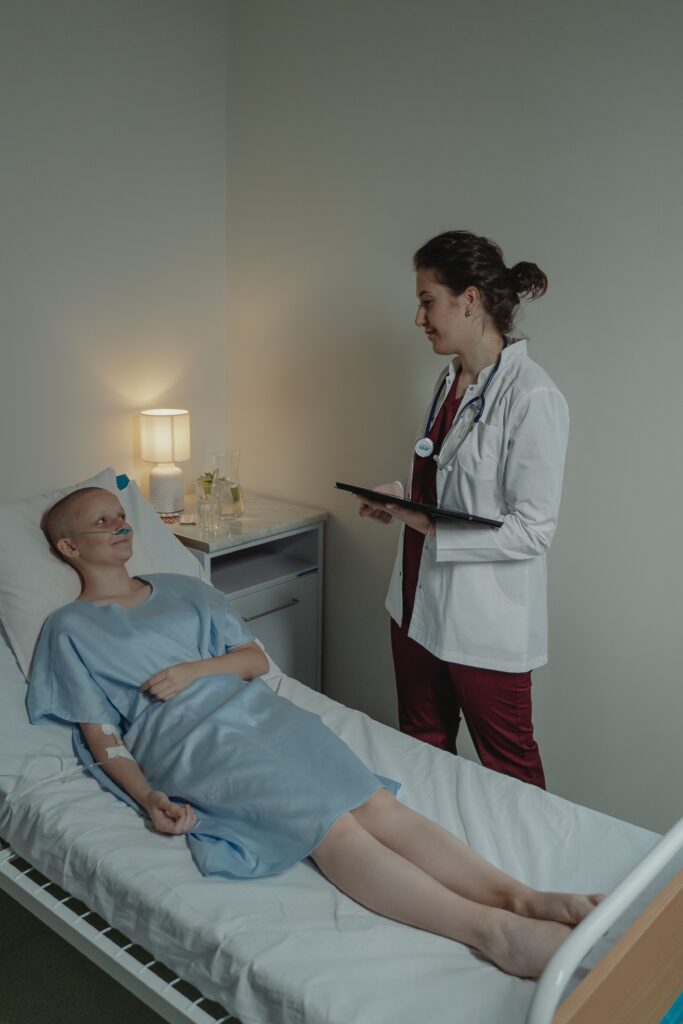
Early Detection of Recurrence
One of the most important reasons for follow-up care is catching recurrence early. Cancer can sometimes return, either in the same location or elsewhere in the body. When recurrence is caught early through routine screening, treatment options are often more effective and less invasive.
Without regular checkups, a recurrence might not be noticed until symptoms become severe, at which point treatment can be more difficult and outcomes may be less favorable.
Managing Long-Term and Late Side Effects
Cancer treatments, while lifesaving, can leave lasting effects on the body. Some side effects appear immediately and fade over time, while others, known as late effects, may not show up until months or years after treatment ends.
Common long-term effects include fatigue, changes in organ function, hormonal changes, bone density loss, and fertility issues. Regular checkups allow doctors to monitor these effects and address them before they become serious problems.
Monitoring for Secondary Health Complications
Certain cancer treatments can increase the risk of other health issues later in life. For example, some chemotherapy drugs can affect heart health, while radiation therapy in certain areas can impact bone strength or nearby organs.
Follow-up visits often include screening for these secondary risks, allowing early intervention if any issues arise.
Emotional and Psychological Support

The end of treatment does not always mean the end of emotional challenges. Many patients experience anxiety about recurrence, changes in body image, or difficulty adjusting back to daily life. Regular follow-up visits provide an opportunity to discuss these concerns with a care team that understands the full picture of the patient’s medical history.
A structured follow-up program, like the survivorship support offered at Subha Comprehensive Cancer Care, often includes access to counseling and emotional wellness resources alongside physical checkups. Having both medical and emotional support in one place makes it easier for patients to stay consistent with their care rather than managing multiple providers separately.
What a Typical Follow-Up Schedule Looks Like
Follow-up care is not a one-time event. It typically follows a structured timeline that becomes less frequent as time passes without recurrence.
In the first year after treatment, checkups are usually scheduled every three months. This is the period when the risk of early recurrence is generally highest, so closer monitoring is recommended.
Between years two and five, visits often shift to every six months. By this stage, many patients have stabilized, but continued monitoring remains important since recurrence risk has not disappeared entirely.
After five years, many patients move to annual checkups, especially if no signs of recurrence have appeared. Some cancer types may require longer-term monitoring beyond five years due to a higher risk of late recurrence.
Follow-Up Frequency by Cancer Type
| Cancer Type | Years 1-2 | Years 3-5 | After 5 Years |
|---|---|---|---|
| Breast Cancer | Every 3-6 months | Every 6-12 months | Annually |
| Colorectal Cancer | Every 3-6 months | Every 6 months | Annually |
| Lung Cancer | Every 3 months | Every 6 months | Annually |
| Cervical Cancer | Every 3-4 months | Every 6 months | Annually |
| Blood Cancers (e.g., Leukemia) | Every 1-3 months | Every 3-6 months | Every 6-12 months |
These timelines are general guidelines. An oncologist will adjust the schedule based on individual risk factors, treatment history, and how the patient is responding during recovery.
Tests and Screenings Commonly Involved
Follow-up appointments typically include a combination of physical and diagnostic evaluations. The exact combination depends on the type of cancer and the patient’s history.
Physical examinations are usually the starting point. The doctor checks for any new lumps, swelling, or unusual changes in the body.
Imaging tests such as CT scans, MRIs, or PET scans may be used periodically to check for signs of recurrence, especially for cancers that are more likely to spread internally.
Blood tests are also common. These may include general health markers as well as tumor markers, which are substances in the blood that can sometimes indicate cancer activity.
Cancer-specific screenings, such as mammograms for breast cancer survivors or colonoscopies for colorectal cancer survivors, are often included as part of the long-term monitoring plan.
Signs and Symptoms Patients Should Report Between Visits
Follow-up care is not limited to scheduled appointments. Patients play an active role by paying attention to their bodies and reporting any changes between visits.
Some symptoms that should prompt a call to the care team include new lumps or swelling, unexplained pain that does not go away, persistent fatigue that interferes with daily life, unexpected weight loss, changes in appetite, or any symptom similar to what was experienced before the original diagnosis.
Waiting until the next scheduled appointment to mention new symptoms can sometimes delay important interventions. Open and prompt communication with the care team helps ensure nothing is overlooked.
Lifestyle and Wellness as Part of Follow-Up Care
Follow-up care often extends beyond medical tests to include guidance on lifestyle choices that support long-term health.
Nutrition plays a significant role in recovery. A balanced diet can help rebuild strength, manage weight, and support the immune system. Many follow-up programs include guidance from nutritionists familiar with the needs of cancer survivors.
Physical activity is another important component. Gentle, consistent exercise has been shown to reduce fatigue, improve mood, and support overall physical recovery, though the type and intensity should be guided by a doctor based on individual recovery status.
Mental health support, including counseling or support groups, is increasingly recognized as an essential part of survivorship care. Connecting with others who have gone through similar experiences can also make the emotional adjustment easier.
Pros and Cons of Different Follow-Up Care Approaches
Patients often have a choice in how they structure their follow-up care. Below is a comparison of two common approaches.
Continuing Care With the Same Treatment Hospital
Pros:
- The care team already has full knowledge of medical history and treatment details
- Continuity reduces the chance of miscommunication between providers
- Familiar environment can ease anxiety for some patients
Cons:
- May involve longer travel if the patient has since relocated
- Appointment availability can sometimes be limited due to high patient volume
Switching to a Local Provider for Follow-Up Care
Pros:
- More convenient scheduling and shorter travel time
- Can be helpful for patients who have moved away from their original treatment location
Cons:
- New provider may need time to fully understand the patient’s treatment history
- Records transfer can sometimes cause delays in continuity of care
Many patients find that staying with the same care team, when possible, offers the smoothest experience, since the team is already familiar with every stage of treatment. This is one reason hospitals with dedicated survivorship programs are increasingly popular among patients seeking long-term follow-up support.
Choosing the Right Care Team for Long-Term Follow-Up
Since follow-up care can span years, choosing the right care team matters. Patients should look for a few key qualities.
A good follow-up program should offer clear communication, easy access to test results, and a team that takes time to explain what each result means. It should also offer flexibility for scheduling and be responsive when new symptoms arise between visits.
Continuity of care, where the same doctors and specialists remain involved throughout the survivorship period, tends to lead to better outcomes since the care team can track subtle changes over time rather than starting fresh with each new provider.
Frequently Asked Questions
How long do I need follow-up care after cancer treatment?
The duration varies by cancer type, but most patients continue some form of follow-up care for at least five years, and sometimes longer depending on individual risk factors.
What happens if a follow-up test shows something abnormal?
If a test result raises concern, the care team will usually order additional tests to confirm whether it indicates recurrence or is unrelated to cancer. Not every abnormal result means cancer has returned.
Can I switch hospitals for follow-up care if I move to a new city?
Yes, patients can transfer their care to a new provider. It helps to bring complete medical records, including treatment summaries and test results, to ensure continuity.
Is follow-up care covered by insurance?
Most insurance plans cover follow-up appointments and standard screenings, though coverage details vary. It is best to confirm specifics with the insurance provider and the hospital’s billing department.
What should I bring to my follow-up appointments?
A list of any new symptoms, current medications, and questions for the doctor can help make the appointment more productive.
Conclusion
Follow-up care after cancer treatment is not an optional extra step. It is an active and essential part of the recovery process. Regular checkups help catch recurrence early, manage lingering side effects, and provide ongoing support during a period that can feel uncertain.
Staying consistent with follow-up appointments, communicating openly with the care team, and maintaining healthy lifestyle habits all contribute to better long-term outcomes. Survivorship is not the end of the cancer journey. It is a new chapter that deserves the same attention and care as the treatment phase itself.