
- Can Cancer Really Be Prevented?
- 10 Cancer Prevention Tips for Everyone
- Cancer Prevention Tips for Women
- Cancer Prevention Tips for Men
- Cancer Screening Chart by Age
- Pros and Cons of Cancer Screening
- Pros and Cons of Common Prevention Methods
- Know Your Family History and Genetic Risk
- Early Warning Signs You Should Never Ignore
- Common Myths About Cancer Prevention
- A Simple Weekly Prevention Plan
- Frequently Asked Questions
- What are the top habits that lower cancer risk?
- At what age should women start cancer screening?
- At what age should men start cancer screening?
- Can a healthy diet alone prevent cancer?
- Does having no family history mean I am safe?
- How often should I get a full health check-up?
- Are cancer prevention supplements worth taking?
- Is cancer contagious?
- Conclusion
Cancer is one of the most feared words in health care. Many people believe it strikes without warning and that nothing can be done about it. That belief is only partly true.
Some cancer risks, like age and inherited genes, cannot be changed. But research from the World Health Organization and leading cancer bodies shows that a large share of cancers are linked to habits, infections, and environmental exposures. Many of these can be reduced.
This guide explains the most useful cancer prevention tips for both women and men. It uses plain language, short sections, and practical steps you can start this week. You will also find a screening chart, pros and cons of common prevention methods, and answers to frequently asked questions.
Please remember that prevention lowers risk. It does not remove risk completely. Even people who do everything right can still develop cancer. The goal is to improve your odds and to catch any problem early, when treatment works best.
Can Cancer Really Be Prevented?
Cancer begins when cells in the body grow out of control. This usually happens after years of damage to the DNA inside those cells. Some damage is random. Some is caused by things we can influence, such as tobacco smoke, excess alcohol, poor diet, and certain infections.
Doctors often divide risk factors into two groups.
Risk factors you cannot change:
- Your age
- Your family history
- Inherited gene changes
- Your sex at birth
Risk factors you can change:
- Tobacco use
- Alcohol intake
- Body weight
- Diet and physical activity
- Sun exposure
- Vaccination status
- Screening habits
Public health studies suggest that somewhere between 30 and 50 percent of cancers could be prevented by reducing these changeable risks. That is a powerful number. It means your daily choices matter.
Think of it like driving a car. You cannot control every other driver on the road. But wearing a seatbelt, following the speed limit, and servicing your car all lower your chances of a serious accident. Cancer prevention works in a similar way.
10 Cancer Prevention Tips for Everyone
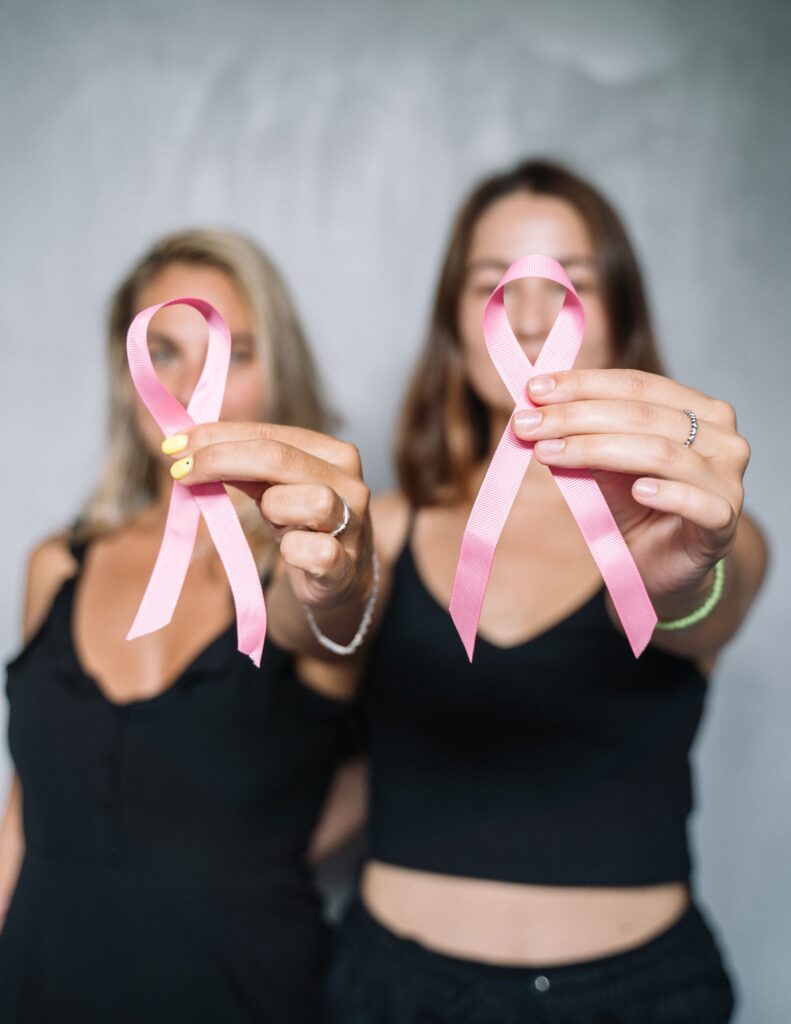
These habits apply to both women and men. They are also good for your heart, your mood, and your energy levels.
1. Quit Tobacco in Every Form
Tobacco is the single largest preventable cause of cancer. It is linked to cancers of the lung, mouth, throat, food pipe, bladder, pancreas, kidney, and cervix.
This includes cigarettes, bidis, cigars, hookah, chewing tobacco, gutka, and khaini. Smokeless tobacco is especially common in India and is a major cause of oral cancer.
Second-hand smoke also raises risk for people who live or work around smokers.
What to do:
- Set a quit date and tell family or friends
- Ask your doctor about nicotine replacement and counselling
- Avoid places where you will be tempted in the first few weeks
- Remember that your risk starts dropping soon after you quit, and it keeps falling for years
2. Limit Alcohol
Alcohol is linked to cancers of the mouth, throat, liver, breast, and colon. The more you drink over time, the higher the risk. Even moderate drinking has been linked to a small rise in breast cancer risk in women.
What to do:
- If you drink, keep it occasional and light
- Avoid binge drinking
- Try alternatives such as sparkling water with lemon or herbal tea
3. Eat a Fiber-Rich, Plant-Forward Diet
No single food prevents cancer. But your overall eating pattern makes a difference. Diets rich in vegetables, fruits, whole grains, and pulses are linked to lower risk of several cancers, especially colorectal cancer.
Processed meats like sausages, bacon, and salami have been classified by the International Agency for Research on Cancer as cancer-causing to humans. Red meat is listed as a probable cause.
What to do:
- Fill half your plate with vegetables and fruits
- Choose whole grains like brown rice, millets, oats, and whole wheat
- Include dal, beans, and lentils often
- Limit deep-fried foods, sugary drinks, and packaged snacks
- Keep processed meat to a minimum
4. Maintain a Healthy Weight
Excess body fat is linked to at least a dozen types of cancer, including breast (after menopause), colon, uterus, kidney, liver, and pancreas. Extra fat changes hormone levels and causes long-term inflammation, both of which can encourage cancer growth.
What to do:
- Aim for gradual, steady weight loss if you are overweight
- Focus on habits rather than crash diets
- Track your waist size, not just the number on the scale
5. Stay Physically Active
Regular movement lowers the risk of colon, breast, and uterine cancers. It also helps you manage your weight and lowers stress.
Most health bodies suggest at least 150 minutes of moderate activity each week. That is about 30 minutes, five days a week.
What to do:
- Walk briskly after meals
- Take stairs instead of lifts
- Try cycling, swimming, yoga, or dancing
- Break up long hours of sitting with short walks
6. Protect Your Skin from the Sun
Skin cancer is among the most preventable cancers. Ultraviolet rays from the sun and tanning beds damage skin cells over time.
What to do:
- Use sunscreen with SPF 30 or higher when outdoors
- Wear hats, sunglasses, and full-sleeve clothing
- Seek shade between late morning and late afternoon
- Check your skin monthly for new or changing moles, and show anything unusual to a doctor
7. Get Vaccinated
Two vaccines are proven to prevent cancer.
- HPV vaccine: Protects against the human papillomavirus, which causes most cervical cancers and some cancers of the throat, anus, and genitals. It works best when given before exposure, usually between ages 9 and 14, but catch-up doses are often advised for older teens and young adults. Ask your doctor what is right for your age.
- Hepatitis B vaccine: Protects against hepatitis B infection, a leading cause of liver cancer.
8. Avoid Infections and Harmful Exposures
Some infections raise cancer risk, including hepatitis B, hepatitis C, HPV, and Helicobacter pylori (linked to stomach cancer). Safe practices and timely treatment help.
Some workplaces and environments carry extra risk too. Asbestos, benzene, industrial dust, and heavy air pollution have all been linked to cancer.
What to do:
- Practice safe sex and never share needles or razors
- Get tested if you have risk factors for hepatitis
- Use protective equipment at work
- Improve indoor ventilation and avoid burning waste or smoky fuels indoors
9. Manage Stress and Sleep Well
Science has not proven that stress directly causes cancer. But chronic stress and poor sleep often lead to habits that do raise risk, such as smoking, drinking, overeating, and skipping exercise.
What to do:
- Aim for seven to eight hours of sleep
- Make time for relaxation, hobbies, and social connection
- Talk to a counsellor if you feel overwhelmed for long periods
10. Do Not Skip Regular Check-Ups
Screening tests find certain cancers before symptoms appear. At that stage, treatment is often simpler and outcomes are usually much better. We cover specific tests in detail below.
Cancer Prevention Tips for Women
Women face some cancers that are specific to their bodies. Awareness and regular screening are the best defenses.
Breast Cancer
Breast cancer is one of the most common cancers among women worldwide, and it is now the most common in many Indian cities.
Key steps:
- Become familiar with how your breasts normally look and feel
- See a doctor if you notice a lump, skin dimpling, nipple discharge, or a change in shape
- Ask your doctor about clinical breast exams from your twenties or thirties
- Discuss mammograms from around age 40, or earlier if you have a strong family history
- Keep alcohol low and stay active
Breastfeeding, where possible, has also been linked to a modest reduction in breast cancer risk.
Cervical Cancer
Cervical cancer is almost entirely preventable. It is caused by long-term infection with high-risk HPV types. Two things protect you: vaccination and screening.
Key steps:
- Get the HPV vaccine if you are eligible
- Begin Pap smears or HPV testing around age 21 to 30, based on your doctor’s advice
- Continue screening regularly through midlife
- Report unusual bleeding, especially after intercourse or between periods
Ovarian and Uterine Cancer
These cancers can be harder to catch early because symptoms are vague.
Watch for:
- Persistent bloating or a feeling of fullness
- Pelvic or belly pain
- Bleeding after menopause
- Unusually heavy or irregular periods
- Needing to pass urine more often than usual
Women with a family history of breast or ovarian cancer should ask about genetic counselling.
Cancer Prevention Tips for Men
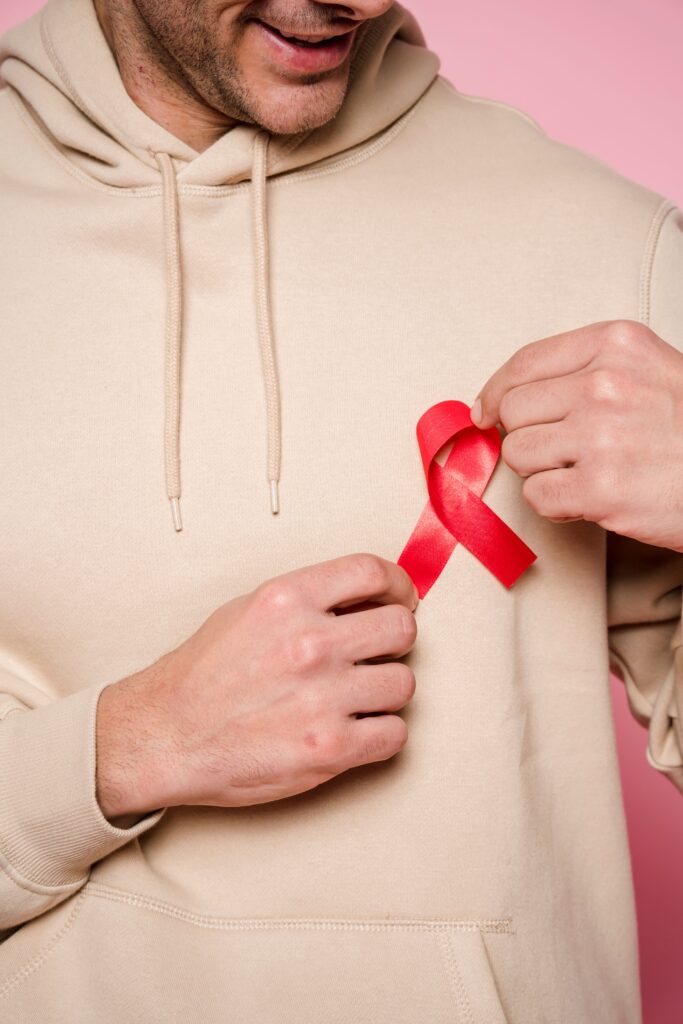
Men are more likely to delay doctor visits, which can allow cancers to grow unnoticed. Changing that habit is itself a prevention tip.
Prostate Cancer
Prostate cancer mostly affects men over 50, though risk starts earlier in those with a family history.
Key steps:
- Talk to your doctor about PSA blood testing and digital rectal exams from around age 50, or 45 if you are at higher risk
- Understand the pros and cons of PSA testing (see below)
- Report difficulty urinating, a weak stream, blood in urine, or pain in the lower back or hips
Oral and Lung Cancer
Men have higher rates of tobacco and alcohol use, which drives these cancers.
Key steps:
- Quit tobacco completely
- Check your mouth regularly for white or red patches, ulcers that do not heal, or lumps
- If you are a long-term heavy smoker, ask about low-dose CT screening for lung cancer
Colorectal Cancer
This cancer affects both men and women, but it is slightly more common in men.
Key steps:
- Start screening around age 45 to 50
- Eat more fiber and less processed meat
- Report blood in stool, long-lasting constipation or diarrhea, or unexplained weight loss
Testicular Cancer
This is most common in younger men, usually between 15 and 40.
Key steps:
- Do a monthly self-check after a warm bath or shower
- See a doctor if you feel a lump, swelling, or heaviness in the scrotum
Cancer Screening Chart by Age
Screening guidelines vary by country and by personal risk. Use this chart as a general guide and always confirm the right schedule with your doctor.
| Cancer Type | Who Should Be Screened | Suggested Starting Age | Common Test | How Often |
|---|---|---|---|---|
| Breast | Women | 40 (earlier if high risk) | Mammogram, clinical breast exam | Every 1 to 2 years |
| Cervical | Women | 21 to 30 | Pap smear or HPV test | Every 3 to 5 years |
| Colorectal | Men and women | 45 to 50 | Colonoscopy, stool test | Every 1 to 10 years, depending on test |
| Prostate | Men | 50 (45 if high risk) | PSA blood test | Discuss with doctor |
| Oral | Tobacco and alcohol users | Any age with risk | Visual mouth exam | Yearly |
| Lung | Heavy long-term smokers | 50 to 55 | Low-dose CT scan | Yearly |
| Skin | Everyone, especially fair-skinned | Any age | Self-check, dermatology exam | Monthly self-check |
Screening is not a substitute for paying attention to symptoms. If something feels wrong between tests, do not wait.
Pros and Cons of Cancer Screening
Screening saves lives, but it is not perfect. Knowing both sides helps you make informed choices with your doctor.
Pros
- Early detection: Cancers found early are often smaller and easier to treat
- Better survival: Early-stage diagnosis usually means higher survival rates
- Less intense treatment: Smaller cancers may need less surgery or fewer drugs
- Peace of mind: A normal result can ease worry
- Pre-cancer removal: Some tests, like colonoscopy and Pap smears, can find and remove abnormal cells before they turn into cancer
Cons
- False positives: A test may suggest cancer when none is present, leading to worry and extra tests
- False negatives: A test may miss a cancer that is there
- Over-diagnosis: Some slow-growing cancers, especially in the prostate, might never have caused harm, yet they get treated
- Physical discomfort: Some tests can be uncomfortable or involve minor risks
- Cost and access: Not every test is easy to afford or find
For most people, the benefits of recommended screening outweigh the drawbacks. The key is to follow evidence-based guidelines rather than over-testing or avoiding tests altogether.
Pros and Cons of Common Prevention Methods
| Method | Pros | Cons |
|---|---|---|
| Healthy diet | Lowers risk of several cancers, supports heart health | Needs long-term habit change |
| Regular exercise | Helps weight, mood, and hormone balance | Takes time and consistency |
| HPV vaccine | Prevents most cervical cancers | Does not treat existing infection, cost may vary |
| Quitting tobacco | Biggest single risk reduction | Withdrawal can be hard without support |
| Genetic testing | Can reveal high inherited risk | May cause anxiety, results can be unclear |
| Preventive surgery (high-risk cases) | Greatly lowers risk in carriers of certain gene changes | Major decision with physical and emotional effects |
Know Your Family History and Genetic Risk
About 5 to 10 percent of cancers are linked to inherited gene changes. The best known are BRCA1 and BRCA2, which raise the risk of breast and ovarian cancer in women, and prostate and breast cancer in men.
Consider speaking to a doctor about genetic counselling if:
- Several close relatives had the same cancer
- A relative was diagnosed at a young age, often before 50
- A family member had more than one type of cancer
- There is a known gene change in your family
- Male family members had breast cancer
Write down your family’s cancer history, including who had it, what type, and at what age. This simple list helps doctors judge your risk much more accurately.
If you want expert guidance on risk assessment, screening plans, or early symptoms, you can consult the specialist team at Subha Comprehensive Cancer Care, where oncologists can help you understand your personal risk and plan the right next steps.
Genetic testing is useful only when paired with good counselling. A result that shows higher risk does not mean you will get cancer. It means you can plan earlier screening and take extra precautions.
Early Warning Signs You Should Never Ignore
Many cancer symptoms can also be caused by minor problems. But if any of these last more than two to three weeks, see a doctor.
- A lump or thickening anywhere in the body
- A sore or ulcer that does not heal
- Unexplained weight loss
- Constant tiredness that rest does not fix
- Persistent cough or hoarse voice
- Difficulty swallowing
- Blood in urine, stool, or cough
- Changes in bowel or bladder habits
- Unusual bleeding or discharge
- A mole that changes in size, shape, or color
- Night sweats or repeated fevers with no clear cause
Having one of these signs does not mean you have cancer. But checking early gives you the best chance if it is something serious.
Common Myths About Cancer Prevention
Myth 1: Cancer is always genetic.
Fact: Most cancers are not directly inherited. Lifestyle and environment play a large role.
Myth 2: Only smokers get lung cancer.
Fact: Non-smokers can get lung cancer too, often from air pollution, second-hand smoke, or radon.
Myth 3: Sugar feeds cancer, so I must cut it out completely.
Fact: All cells use glucose. But a diet high in added sugar can lead to weight gain, which raises cancer risk. Moderation is the sensible goal.
Myth 4: Mobile phones and antiperspirants cause cancer.
Fact: Large studies have not found solid proof for either claim.
Myth 5: If I feel healthy, I do not need screening.
Fact: Early cancers often cause no symptoms. That is exactly why screening exists.
Myth 6: Supplements can replace a healthy diet.
Fact: High-dose supplements have not been proven to prevent cancer, and some may even be harmful. Get nutrients from food first and talk to your doctor before taking supplements.
A Simple Weekly Prevention Plan
Making changes can feel overwhelming, so start small. Here is a simple way to begin.
This week:
- Take a 30-minute walk on at least five days
- Add one extra serving of vegetables to two meals a day
- Swap one sugary drink for water
This month:
- Book any overdue screening test
- Write down your family’s cancer history
- Check your skin, breasts, or testicles as appropriate
This year:
- Quit or cut down tobacco and alcohol
- Ask your doctor about vaccines you may have missed
- Reach a healthier weight through steady habits
Small steps repeated over time create real protection.
Frequently Asked Questions
What are the top habits that lower cancer risk?
The biggest ones are avoiding tobacco, limiting alcohol, eating plenty of plant foods, staying active, keeping a healthy weight, protecting your skin from the sun, getting vaccinated, and going for regular screening.
At what age should women start cancer screening?
It depends on the cancer. Cervical screening usually begins in the early to mid twenties or thirties. Mammograms are often advised from about 40, or sooner if you have a family history. Your doctor can tailor a plan to you.
At what age should men start cancer screening?
Colorectal screening often starts at 45 to 50. Discussion about prostate screening usually begins around 50, or earlier for men with a family history. Men who smoke heavily or use tobacco should ask about lung and oral screening too.
Can a healthy diet alone prevent cancer?
No single habit can guarantee prevention. A healthy diet lowers risk, especially when combined with exercise, not smoking, and regular check-ups.
Does having no family history mean I am safe?
No. Most people who develop cancer have no strong family history. Lifestyle and screening matter for everyone.
How often should I get a full health check-up?
Many doctors suggest a yearly check-up for adults over 30 to 40, and more often if you have risk factors. Your doctor will advise the right schedule.
Are cancer prevention supplements worth taking?
Usually not. Whole foods offer better protection than pills. Take supplements only if your doctor has found a specific deficiency.
Is cancer contagious?
No. You cannot catch cancer from another person. Some viruses that raise cancer risk, like HPV and hepatitis B, can spread, which is why vaccination and safe practices matter.
Conclusion
Cancer prevention is not about fear or perfection. It is about understanding what raises risk and making steady, realistic choices that lower it.
For both women and men, the core message is the same. Avoid tobacco. Keep alcohol low. Eat well. Stay active. Protect your skin. Get vaccinated. Know your family history. Follow recommended screening. And never ignore symptoms that do not go away.
You do not need to change everything at once. Pick one habit from this guide today and build from there. Share this post with someone you care about, and book any check-up you have been putting off.
Early action is the most powerful form of protection.
Medical disclaimer: This article is for general education and does not replace advice from a qualified doctor. Screening ages and schedules can differ based on your health, family history, and local guidelines. Please consult a healthcare professional for guidance that fits your situation.
Sources to cite for EEAT (add links when publishing): World Health Organization, International Agency for Research on Cancer, National Cancer Institute, American Cancer Society, Indian Council of Medical Research.