
- How Food Influences Cancer Risk
- The Best Anti-Cancer Foods to Add to Your Diet
- Anti-Cancer Foods at a Glance
- Pros and Cons of Relying on Food for Cancer Prevention
- How to Build an Anti-Cancer Plate
- Common Myths About Anti-Cancer Foods
- When to Talk to a Cancer Specialist
- Frequently Asked Questions
- Final Thoughts
Many people ask the same question when they hear the word cancer: is there a food that can protect me?
It is a fair question. Food is something we control every single day. Three meals, a few snacks, and a cup of tea or two. Over years, those small choices add up.
Here is the honest answer. No single food can cure or fully prevent cancer. But research from groups like the World Health Organization, the Indian Council of Medical Research (ICMR), the American Institute for Cancer Research (AICR), and the National Cancer Institute (NCI) shows that a diet rich in plants, fiber, and healthy fats is linked to a lower risk of several cancers.
This guide explains which foods are worth adding to your plate, why they may help, and how to eat them in everyday Indian meals. You will also find a quick chart, a pros and cons section, common myths, and answers to questions patients and families ask us often.
Let us start with how food and cancer risk are connected.
How Food Influences Cancer Risk

Cancer starts when cells in the body change and grow out of control. Many things can trigger this, including genes, age, infections, tobacco, alcohol, pollution, and diet.
Food plays a role in a few important ways.
Fighting oxidative stress. Our cells face constant damage from unstable molecules called free radicals. Antioxidants in fruits, vegetables, and spices help calm this damage.
Lowering chronic inflammation. Long-term inflammation in the body is linked with higher cancer risk. Foods rich in fiber, omega-3 fats, and plant compounds may help keep inflammation in check.
Supporting gut health. Fiber feeds the good bacteria in the gut. A healthy gut is linked with better digestion, a stronger immune response, and a lower risk of colorectal cancer.
Keeping weight healthy. Excess body fat is linked with several cancers, including breast, colon, liver, and pancreatic cancer. A diet full of whole foods makes it easier to maintain a healthy weight.
Balancing hormones and blood sugar. Whole grains, pulses, and vegetables slow down sugar release and help keep insulin levels steadier.
One important note before we go on. These foods support the body. They do not replace cancer screening, vaccination, or medical treatment. Think of them as one strong layer of protection among many.
The Best Anti-Cancer Foods to Add to Your Diet
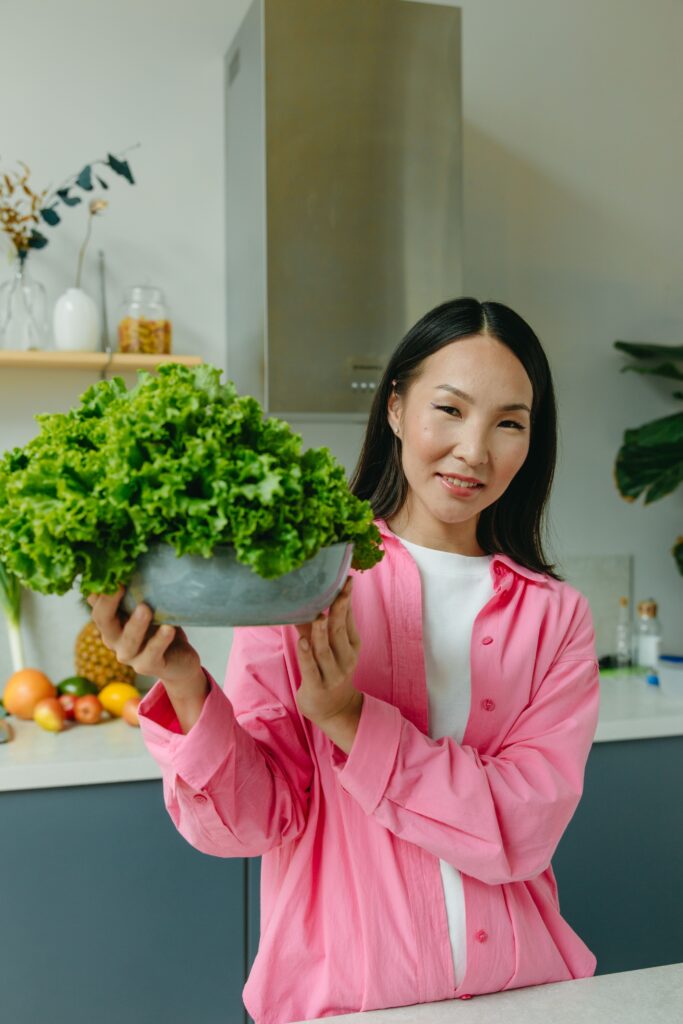
Below are twelve food groups that nutrition and cancer research often highlight. For each one, you will see what it contains, what studies suggest, and a simple way to eat it.
1. Cruciferous Vegetables
Broccoli, cauliflower, cabbage, kale, and Brussels sprouts belong to this family.
They contain compounds called glucosinolates. When you chop or chew these vegetables, the body converts them into substances such as sulforaphane. Lab studies suggest these substances may help the body clear harmful chemicals and slow abnormal cell growth.
Large population studies have linked a higher intake of these vegetables with a lower risk of some cancers, though results vary.
Easy ways to eat them: Add cauliflower to your sabzi, make cabbage thoren or poriyal, or lightly steam broccoli with garlic. Avoid overcooking, since long boiling reduces helpful compounds.
2. Leafy Greens
Spinach (palak), fenugreek (methi), amaranth (chaulai), mustard greens (sarson), and drumstick leaves are rich in folate, vitamin C, carotenoids, and fiber.
Folate supports healthy DNA repair. Carotenoids act as antioxidants. Diets high in greens are often linked with better overall health outcomes.
Easy ways to eat them: Palak dal, methi paratha, saag, or greens tossed into soups and omelettes. Aim for at least one serving a day.
3. Berries and Colorful Fruits
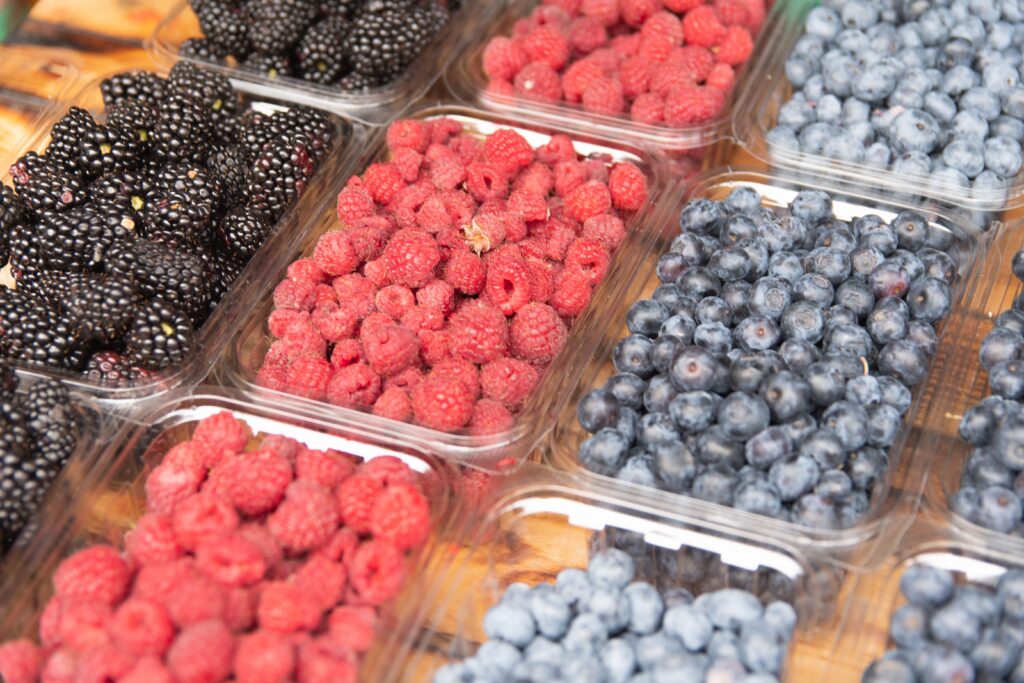
Blueberries, strawberries, jamun, pomegranate, and amla (Indian gooseberry) are packed with vitamin C and plant pigments such as anthocyanins and ellagic acid.
These pigments have shown protective effects in laboratory research. Human studies are still growing, but fruits are consistently linked with better long-term health and a lower risk of cancers of the mouth, throat, and stomach.
Easy ways to eat them: Keep a bowl of seasonal fruit on the table. Add berries to curd or oats. Have a small piece of amla or a glass of pomegranate seeds as a snack.
4. Tomatoes
Tomatoes get their red color from lycopene, a strong antioxidant. Some studies link lycopene-rich foods with a lower risk of prostate cancer, although the evidence is mixed and not yet conclusive.
Cooking tomatoes actually helps. Heat releases more lycopene, and a little healthy fat such as olive oil or mustard oil helps the body absorb it.
Easy ways to eat them: Fresh tomato salads, tomato rasam, homemade tomato soup, or gravy made with fresh tomatoes instead of packaged sauces.
5. Garlic and Onions
Garlic, onions, shallots, and spring onions are part of the allium family. They contain sulfur compounds that may help the body neutralize harmful substances.
Studies have linked higher intake of allium vegetables with a lower risk of stomach and colorectal cancers. The evidence is promising but still developing.
Easy ways to eat them: Use them daily in tadka, chutneys, and raita. Let chopped garlic rest for about ten minutes before cooking, which helps its protective compounds form.
6. Turmeric with Black Pepper
Turmeric has been part of Indian kitchens for centuries. Its main compound, curcumin, has strong anti-inflammatory and antioxidant effects in lab studies.
Here is where we must be careful. Most evidence comes from cell and animal studies. Human trials are limited, and the amount of curcumin in normal cooking is small. Black pepper contains piperine, which helps the body absorb curcumin better.
Easy ways to eat it: Use turmeric in daily cooking with a pinch of black pepper. Warm turmeric milk is fine as a habit. Do not take high-dose curcumin supplements without speaking to your doctor, especially during treatment, since they can interact with medicines.
7. Legumes and Pulses
Moong, masoor, toor, chana, rajma, lobia, and soybeans are excellent sources of fiber, plant protein, and minerals.
High-fiber diets are strongly linked with a lower risk of colorectal cancer. Pulses also keep you full for longer, which helps with weight control.
Easy ways to eat them: Dal with lunch, sprouted moong salad, chana chaat, or rajma with brown rice. Aim for a serving most days.
8. Whole Grains and Millets
Whole wheat, oats, brown rice, ragi, jowar, and bajra keep their bran and germ, which is where most of the fiber and nutrients sit.
The AICR links whole grain intake with a lower risk of colorectal cancer. Whole grains also improve blood sugar control, which matters for long-term health.
Easy ways to eat them: Swap part of your refined flour with ragi or jowar flour in rotis. Choose oats upma, millet khichdi, or brown rice instead of white.
9. Nuts and Seeds
Walnuts, almonds, flaxseeds, chia seeds, pumpkin seeds, and sunflower seeds offer healthy fats, vitamin E, selenium, and plant compounds called lignans.
They do not directly prevent cancer, but they support a heart-healthy and anti-inflammatory eating pattern. Because they are rich in calories, a small handful is enough.
Easy ways to eat them: A handful of mixed nuts as a snack, ground flaxseed in rotis or smoothies, or pumpkin seeds sprinkled over salads.
10. Green Tea
Green tea contains catechins, especially one called EGCG, which has antioxidant effects. Some studies suggest a modest benefit, while others show no clear effect, so the evidence is mixed.
It is a healthier replacement for sugary drinks, though. Keep it to two or three cups a day, and avoid drinking it piping hot, since very hot drinks are linked with throat cancer risk.
Easy ways to drink it: Brew it lightly, let it cool a little, and skip the sugar.
11. Fatty Fish and Omega-3 Sources
Salmon, sardines, mackerel, and other oily fish provide omega-3 fatty acids, which help lower inflammation.
If you are vegetarian, flaxseed, chia seeds, and walnuts offer plant-based omega-3s. Their effect is smaller, but they still add value.
Easy ways to eat them: Grill, steam, or bake fish rather than deep frying it. Aim for two servings a week if you eat fish.
12. Fermented Foods
Curd, buttermilk (chaas), idli and dosa batter, kanji, and kefir contain helpful bacteria that support digestion and gut balance.
A healthy gut is linked with a stronger immune system. Research in this area is still young, but fermented foods are safe, tasty, and easy to include.
Easy ways to eat them: A bowl of curd with lunch, a glass of chaas in summer, or idli and dosa as a regular breakfast.
Anti-Cancer Foods at a Glance
Here is a quick chart you can save or share with family.
| Food | Key Compound | Possible Benefit | Easy Way to Eat It |
|---|---|---|---|
| Broccoli, cauliflower, cabbage | Sulforaphane | May help the body clear harmful substances | Steamed, stir-fried, in sabzi |
| Spinach, methi, amaranth | Folate, carotenoids | Supports DNA repair, antioxidant action | Dal, parathas, soups |
| Berries, amla, pomegranate | Anthocyanins, vitamin C | Antioxidant support | Snacks, curd bowls |
| Tomatoes | Lycopene | May support prostate health | Cooked with a little oil |
| Garlic and onions | Allium sulfur compounds | Linked with lower stomach and colon cancer risk | Tadka, chutney, raita |
| Turmeric with pepper | Curcumin, piperine | Anti-inflammatory in lab studies | Daily cooking, haldi milk |
| Pulses and legumes | Fiber, plant protein | Linked with lower colorectal cancer risk | Dal, sprouts, chana |
| Whole grains and millets | Fiber, B vitamins | Better gut and blood sugar health | Ragi roti, oats, brown rice |
| Nuts and seeds | Healthy fats, lignans, selenium | Supports an anti-inflammatory diet | Small daily handful |
| Green tea | Catechins (EGCG) | Mild antioxidant effect, mixed evidence | 2 to 3 warm cups |
| Fatty fish, flax, walnuts | Omega-3 fats | Helps lower inflammation | Grilled fish, ground flax |
| Curd, chaas, fermented batter | Probiotics | Supports gut health and immunity | With lunch, as a drink |
Note: Research is ongoing, and results vary from person to person. This chart is for general education and is not medical advice.
Pros and Cons of Relying on Food for Cancer Prevention
A healthy diet is powerful, but it is important to see the full picture.
Pros
- Affordable and easy to find. Most of these foods are already part of Indian kitchens and local markets.
- Good for the whole body. The same foods also support heart health, blood sugar, digestion, and weight.
- Low risk. Eaten in normal food amounts, they rarely cause side effects.
- Works at every age. Children, adults, and older people can all benefit from better eating habits.
- Builds lasting habits. Small daily changes are easier to maintain than strict diets.
Cons
- Food is not a cure. No food can treat cancer once it has developed.
- Cannot replace screening. Mammograms, Pap tests, colonoscopy, oral exams, and other checks still save lives by finding cancer early.
- Evidence for single foods is modest. Most benefits come from the overall pattern of eating, not one superfood.
- Supplements can be risky. High-dose extracts and powders may interact with medicines or cause harm.
- False hope. Believing that food alone is enough may delay a visit to the doctor.
The lesson is simple. Use food as a strong foundation, and pair it with regular checkups, a tobacco-free life, physical activity, and medical care when needed.
How to Build an Anti-Cancer Plate
Knowing the foods is one thing. Putting them together is the real skill. Here is a practical way to do it.
The half-plate rule. Fill half your plate with vegetables, a quarter with whole grains, and a quarter with protein such as dal, pulses, curd, eggs, fish, or paneer.
Eat the rainbow. Different colors carry different plant compounds. Try to include green, red, orange, purple, and white foods across the day.
Cook gently. Steaming, light sautéing, pressure cooking, and grilling keep more nutrients than deep frying. Charring meat over open flames can create harmful compounds, so avoid burnt or blackened portions.
Limit what works against you. The WHO classifies processed meat as a cause of cancer and red meat as a probable cause. Sugary drinks, excess salt, packaged snacks, and alcohol also raise risk. Cutting back makes room for the protective foods above.
A Sample One-Day Meal Plan
- Breakfast: Vegetable oats upma or ragi dosa with chutney, and a cup of green tea.
- Mid-morning: One seasonal fruit and a small handful of walnuts or almonds.
- Lunch: Whole wheat or millet roti, dal, a green sabzi, cucumber and tomato salad, and a bowl of curd.
- Evening snack: Roasted chana or sprouts chaat.
- Dinner: Vegetable khichdi or grilled fish with steamed vegetables and a cup of buttermilk.
You do not need to change everything at once. Start by adding one new food each week.
Common Myths About Anti-Cancer Foods
The internet is full of claims about food and cancer. Here are a few we hear often.
Myth 1: A superfood can cure cancer. Fact: No food, juice, or spice cures cancer. Treatment must come from qualified doctors.
Myth 2: Alkaline diets starve tumors. Fact: The body tightly controls its own pH. Food cannot change the acidity of your blood in a way that stops cancer.
Myth 3: Sugar feeds cancer, so I must avoid all carbs. Fact: All cells use glucose, not only cancer cells. The real concern is too much added sugar, which leads to weight gain. Whole grains and fruits are fine.
Myth 4: Organic food is always safer. Fact: Washing, peeling, and cooking produce well matters. Eating enough fruits and vegetables is more important than whether they are organic.
Myth 5: Supplements are better than real food. Fact: Whole foods contain many compounds working together. Studies of high-dose supplements, such as beta-carotene in smokers, have even shown harm.
When to Talk to a Cancer Specialist
Diet is a helpful tool, but it is not a replacement for expert medical care. Please see a doctor if you notice any of the following:
- A lump or swelling that does not go away
- Unexplained weight loss
- A mouth ulcer or white patch that does not heal in two weeks
- Persistent cough, hoarseness, or difficulty swallowing
- Blood in stool, urine, or unusual bleeding
- A strong family history of cancer
If you have a high-risk background or want personalised advice on screening and nutrition, a specialist team can guide you. Hospitals such as Subha Comprehensive Cancer Care in Hyderabad bring oncologists, nutrition experts, and support staff together, so patients and families can get clear answers in one place.
Dietary needs also change during and after treatment. Someone on chemotherapy may need more protein, softer foods, or different restrictions than someone focused on prevention. Always speak with your oncologist and a clinical dietitian before making big changes.
Frequently Asked Questions
1. Which food is best for fighting cancer?
There is no single best food. The strongest evidence points to an overall pattern: plenty of vegetables, fruits, whole grains, and pulses, with less processed meat, sugar, and alcohol.
2. Can diet alone prevent cancer?
No. Diet lowers risk, but cancer also depends on genes, age, infections, and environmental factors. The best protection combines healthy food, no tobacco, limited alcohol, regular exercise, vaccination, and timely screening.
3. Is turmeric really anti-cancer?
Turmeric and curcumin show promising effects in laboratory studies, but strong proof in humans is still missing. Using it in cooking is safe and healthy. High-dose supplements should only be taken after medical advice.
4. Are anti-cancer foods safe during chemotherapy?
Most whole foods are safe, but treatment can change what your body tolerates. Some herbs, teas, and supplements may interact with chemotherapy. Check with your oncologist or dietitian first.
5. Should I take supplements instead of eating these foods?
Food is the better choice. Whole foods supply fiber and many compounds that work together. Take supplements only if a doctor finds a specific deficiency.
6. How often should I eat these foods?
Try to include several of them every day. Variety matters more than quantity. Aim for at least five servings of vegetables and fruits daily, pulses most days, and whole grains at most meals.
Final Thoughts
Protecting yourself from cancer does not require expensive superfoods or strict diets. It begins with ordinary, colorful, home-cooked meals built around vegetables, fruits, pulses, whole grains, nuts, and fermented foods.
Choose variety. Cook gently. Cut back on processed and sugary foods. Stay active, avoid tobacco, and keep up with regular screenings.
Start small. Add one new food to your plate this week, and build from there. Over months and years, these simple choices can make a real difference to your health and the health of your family.
Disclaimer: This article is for general education only and does not replace professional medical advice, diagnosis, or treatment. Please consult a qualified doctor for guidance specific to your health.